By Thomas Kolker
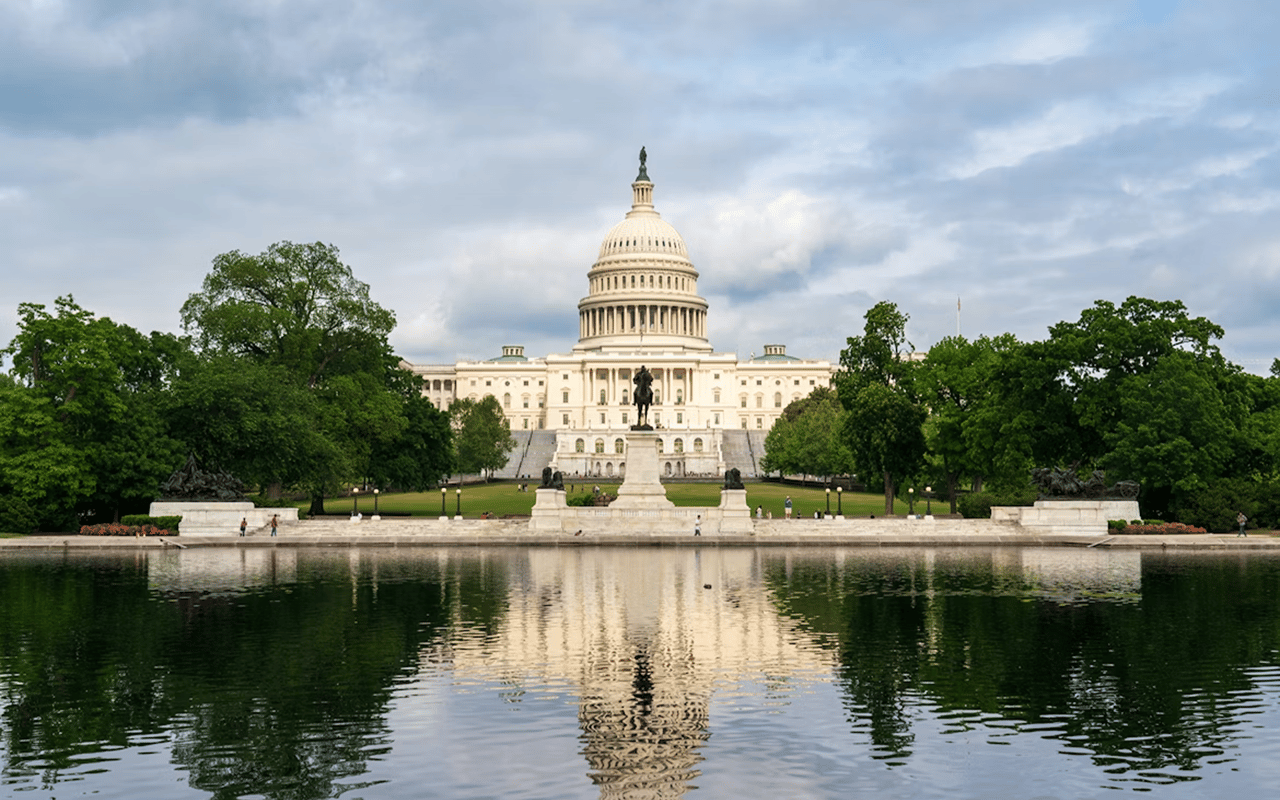
Capitol Hill is more than a political powerhouse—it’s a dynamic and highly competitive real estate market. As someone who lives and works in the heart of D.C., I see firsthand how legislative shifts and national sentiment ripple through the housing landscape. If you're trying to navigate Capitol Hill real estate trends, understanding the political context is just as important as knowing the comps.
Key Takeaways
- Capitol Hill home values are closely tied to federal government cycles and political shifts.
- Inventory levels and buyer demand often fluctuate with election years and legislative turnover.
- Proximity to power continues to drive premium prices in key micro-neighborhoods.
- Timing your purchase or sale around political events can impact pricing and competition.
How Politics Shapes Buyer and Seller Behavior
Why the Legislative Calendar Matters
Capitol Hill's real estate trends are uniquely sensitive to political activity:
- Election cycles often create urgency or hesitation among buyers and sellers.
- Change in administration can influence demand from lobbyists, staffers, and federal employees.
- Legislative sessions bring short-term rental demand and increased relocation activity.
- Government shutdowns have occasionally stalled transactions, particularly for buyers dependent on federal income or job security.
- Political fundraising seasons can increase demand for homes with large entertaining areas, especially among political consultants and donors.
High-Demand Micro-Markets Near the Hill
Where Politics Meets Premium Pricing
Some pockets of Capitol Hill consistently attract top-dollar buyers due to their strategic locations and rising market demand:
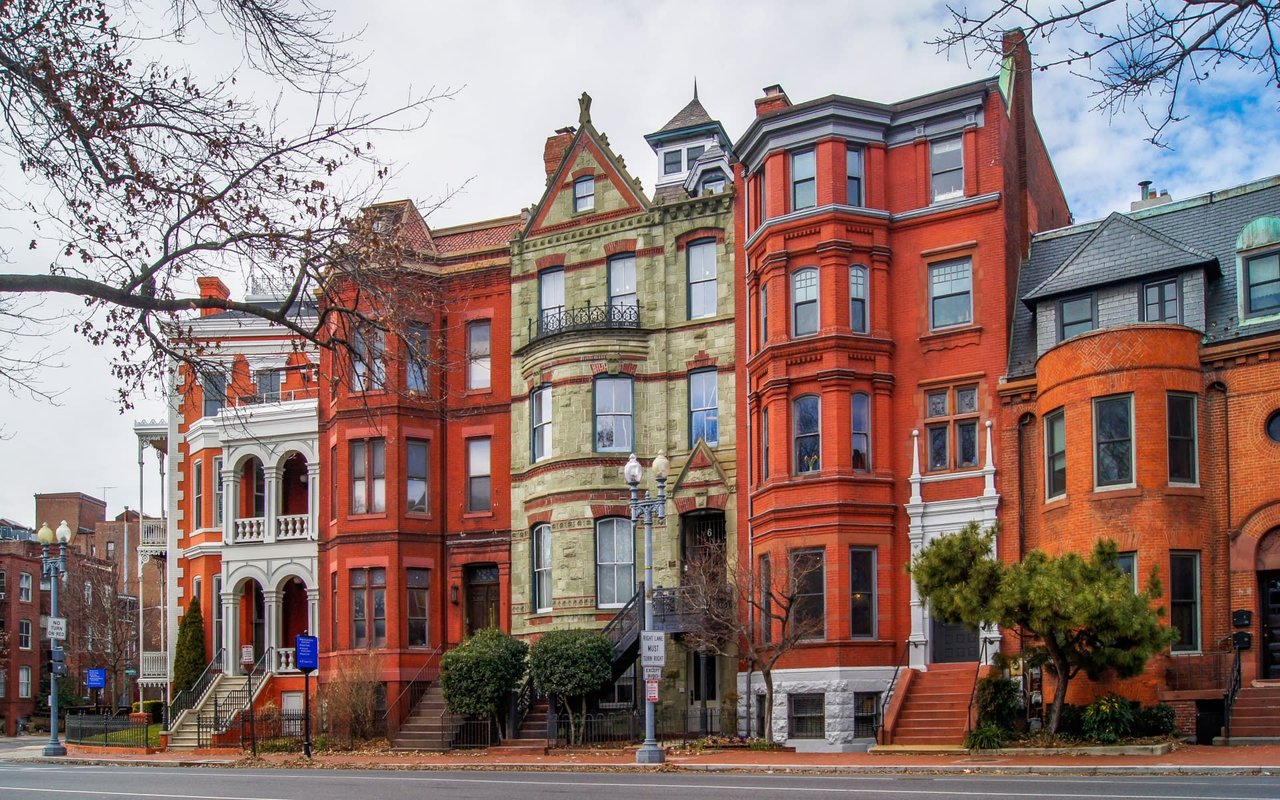
- Eastern Market – A blend of historic charm and walkability to House office buildings.
- Lincoln Park – Popular with young professionals and families who work in policy or law.
- Stanton Park – Proximity to Senate offices makes it a go-to for staffers.
- Barracks Row – A mix of classic row homes and access to high-end dining.
- Capitol South – In-demand due to unmatched access to key government buildings.
When to Buy or Sell in Capitol Hill
Timing Strategies That Align with Political Rhythms
Strategic timing can give buyers and sellers a competitive edge:
- Post-election periods often see new staffers and appointees entering the market, which typically boosts demand.
- Spring legislative sessions coincide with peak listing activity and renewed buyer movement.
- August recess can be a quieter window for buyers to act with less competition, historically reflecting a dip in listings.
- Lame duck sessions may create uncertainty, but also present opportunities for negotiation before market activity rebounds.
- Budget cycles can indirectly influence buyer confidence and investor behavior.
Long-Term Stability in a Changing Climate
Why Capitol Hill Remains a Stronghold for Value
Despite political flux, the Capitol Hill market shows long-term resilience:
- Limited inventory keeps pricing strong in core areas.
- Historic home appreciation rates remain solid thanks to high demand.
- Institutional demand from think tanks, law firms, and nonprofits keeps turnover steady.
- Transit and walkability make it one of D.C.'s most desirable urban communities.
- Continued reinvestment in infrastructure and preservation boosts long-term value.
FAQs
Do political changes really impact Capitol Hill real estate trends?
Yes. Shifts in administration, policy, and staffing influence who’s buying, selling, and moving into the area.
Is it smart to buy on Capitol Hill during an election year?
It can be. Historically, buying during the election lead-up has offered value before post-election demand increases.
What makes Capitol Hill more stable than other D.C. neighborhoods?
Its proximity to power, consistent demand from politically connected buyers, and historic appeal offer long-term value regardless of national headlines.
Contact Thomas Kolker Today
If you’re thinking about buying or selling on Capitol Hill, I can help you move strategically in step with the market and the moment. I understand how political timing and real estate intersect—and I know how to position your home for success.
Reach out to me at Thomas Kolker, and let’s talk about your next move. From timing your transaction to understanding micro-market dynamics, I’ll guide you with expert insight every step of the way.