SoHo
Cast-iron lofts, cobblestone streets and the city's premier shopping district.
Cast-iron lofts, cobblestone streets and the city's premier shopping district.
SoHo, short for "South of Houston," runs between Houston and Canal Streets from roughly Sixth Avenue to Lafayette Street. Its SoHo–Cast Iron Historic District holds the world's largest concentration of cast-iron architecture, and the grand former manufacturing buildings that line its cobblestone streets have become some of Manhattan's most iconic loft residences.
Artists transformed SoHo's vast, light-filled lofts into studios and homes in the 1960s and 1970s, and that heritage still defines the neighborhood's style. Today, residences range from classic co-op lofts with soaring ceilings and original columns to boutique condominiums with private elevators and full-service amenities, all set in one of the city's most recognizable neighborhoods.
SoHo's daytime buzz comes from the shoppers and visitors who fill Broadway, Prince and Spring Streets, but residents know the quieter side of the neighborhood: early-morning coffee on empty cobblestone blocks, tucked-away galleries and evenings at long-standing neighborhood restaurants. Its location makes it easy to reach Tribeca, the West Village and the Financial District on foot.
Balthazar on Spring Street has been SoHo's signature Parisian brasserie since 1997, and Raoul's on Prince Street, a French bistro open since the 1970s, remains a neighborhood institution. Le Coucou on Lafayette Street, from chef Daniel Rose, is among downtown's most elegant French dining rooms.
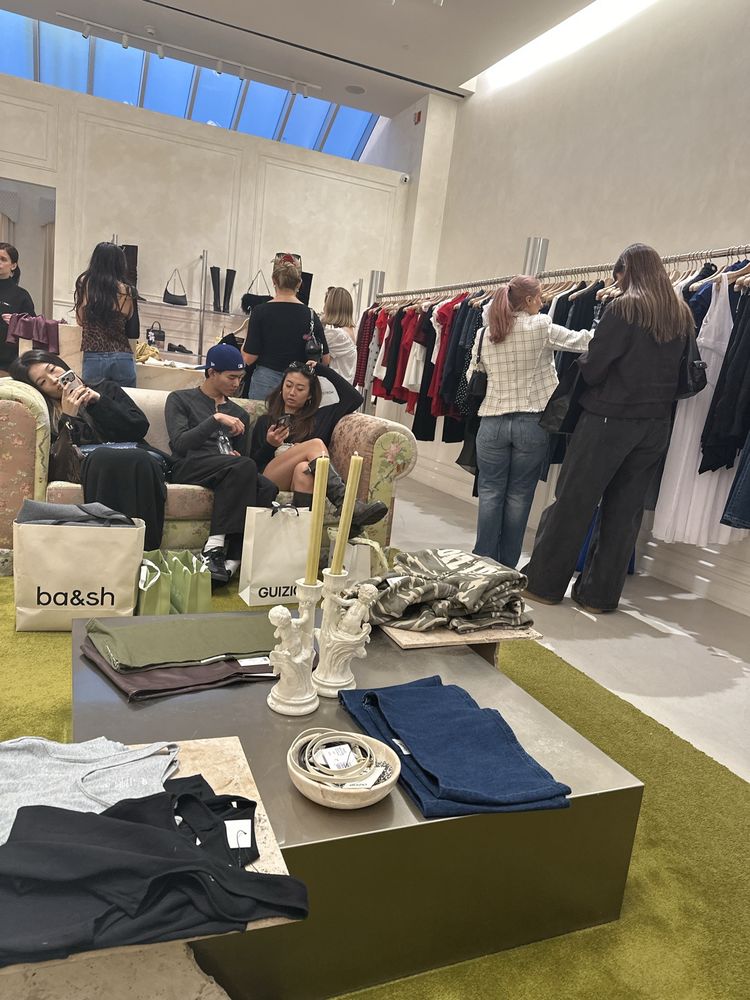
SoHo is one of the world's great shopping destinations. Broadway is lined with flagship stores, while Prince, Spring, Greene and Mercer Streets hold designer boutiques, home and design showrooms, and independent shops. Dominique Ansel Bakery on Spring Street, birthplace of the Cronut, draws pastry lovers from around the world.
SoHo's galleries and cultural spaces carry on its artistic legacy. The New York Earth Room, a Walter De Maria installation on Wooster Street, has been on view since 1980, and the Drawing Center on Wooster Street presents rotating exhibitions.
The neighborhood's cast-iron architecture is a tour in itself, with the Haughwout Building at Broadway and Broome Street among its most celebrated examples.
Nearby, Hudson River Park, Washington Square Park and the restaurants of Nolita and Tribeca are all within a short walk.
SoHo is served by New York City Public Schools, District 2.
10,898 people live in SoHo, where the median age is 39 and the average individual income is $166,045. Data provided by the U.S. Census Bureau.
Total Population
Median Age
Population Density
Average individual Income
There's plenty to do around SoHo, including shopping, dining, nightlife, parks, and more. Data provided by Walk Score and Yelp.
Explore popular things to do in the area, including Hospitality Food Services, Variazioni, and Guizio.
| Name | Category | Distance | Reviews |
Ratings by
Yelp
|
|---|---|---|---|---|
| Dining | 0.41 miles | 0 reviews | 0/5 stars | |
| Shopping | 0.19 miles | 8 reviews | 2.5/5 stars | |
| Shopping | 0.2 miles | 2 reviews | 2.5/5 stars | |
| Shopping | 0.25 miles | 2 reviews | 1/5 stars | |
| Shopping | 0.26 miles | 4 reviews | 1/5 stars | |
| Shopping | 0.3 miles | 9 reviews | 3.3/5 stars | |
| Shopping | 0.34 miles | 0 reviews | 0/5 stars | |
| Shopping | 0.38 miles | 1 review | 5/5 stars | |
| Shopping | 0.42 miles | 0 reviews | 0/5 stars | |
| Active | 0.12 miles | 1 review | 3/5 stars | |
|
|
||||
|
|
||||
|
|
||||
|
|
||||
|
|
||||
|
|
SoHo has 6,225 households, with an average household size of 2. Data provided by the U.S. Census Bureau. Here’s what the people living in SoHo do for work — and how long it takes them to get there. Data provided by the U.S. Census Bureau. 10,898 people call SoHo home. The population density is 42,340 and the largest age group is Data provided by the U.S. Census Bureau.
Total Population
Population Density Population Density This is the number of people per square mile in a neighborhood.
Median Age
Men vs Women
Population by Age Group
0-9 Years
10-17 Years
18-24 Years
25-64 Years
65-74 Years
75+ Years
Education Level
Total Households
Average Household Size
Average individual Income
Households with Children
With Children:
Without Children:
Blue vs White Collar Workers
Blue Collar:
White Collar:

THOMAS KOLKER
202.255.4158
[email protected]
ADDRESS
1515 14th Street, NW
Washington, DC 20005
650 Madison Avenue, 2nd Floor
New York, NY 10022
THOMAS KOLKER
202.255.4158
[email protected]
ADDRESS
1515 14th Street, NW
Washington, DC 20005
650 Madison Avenue, 2nd Floor
New York, NY 10022