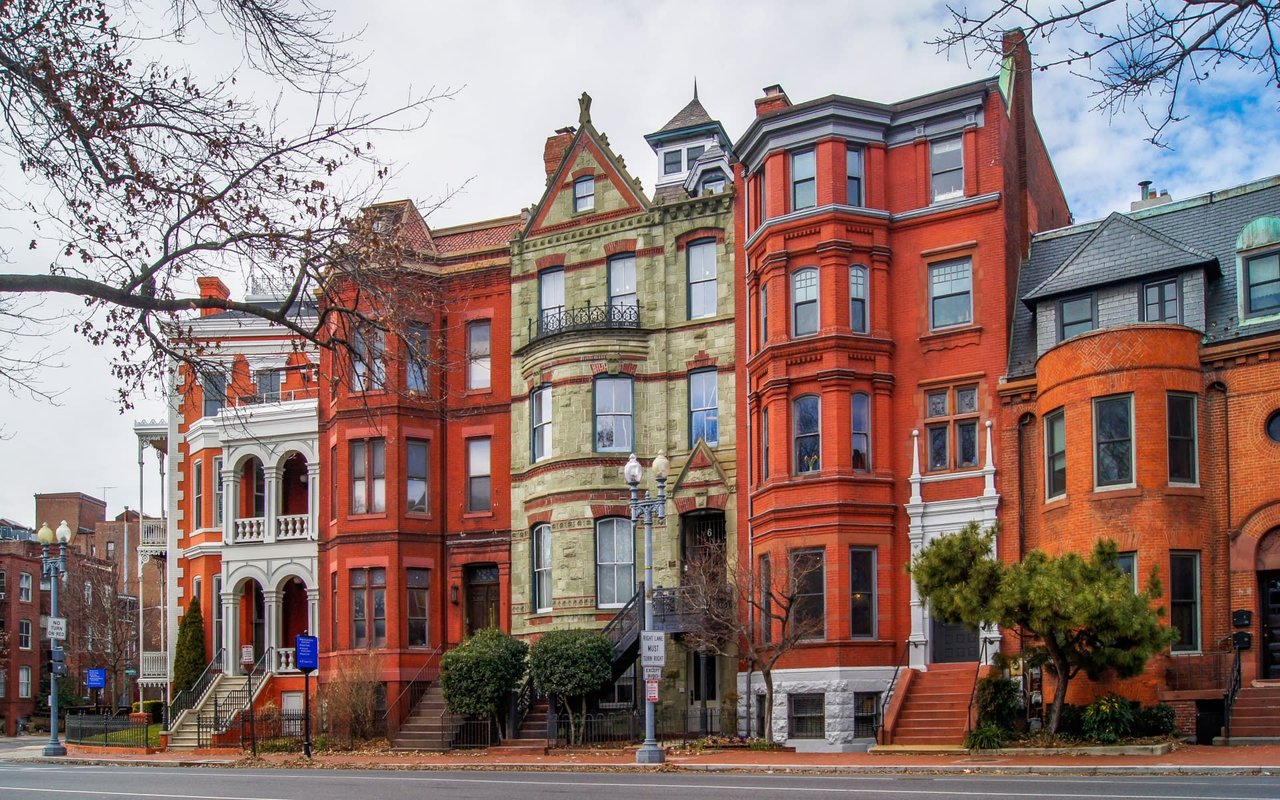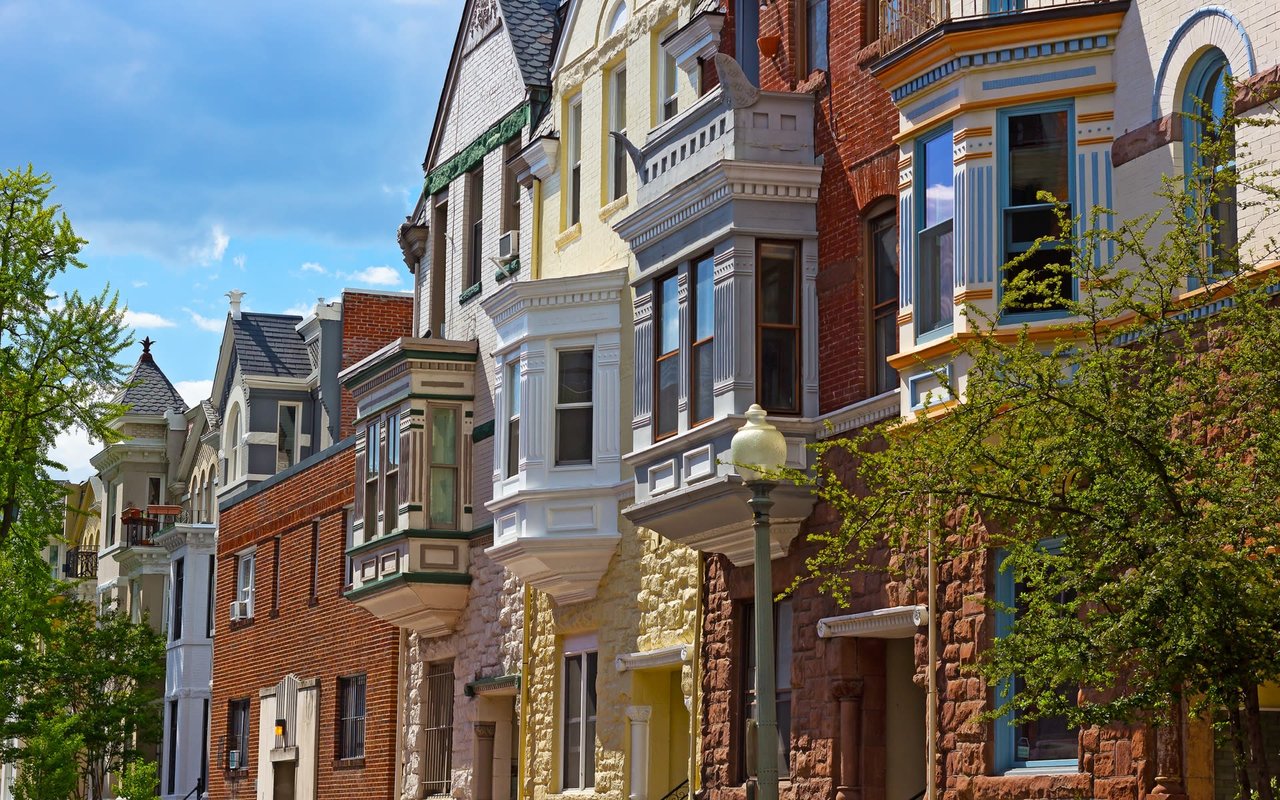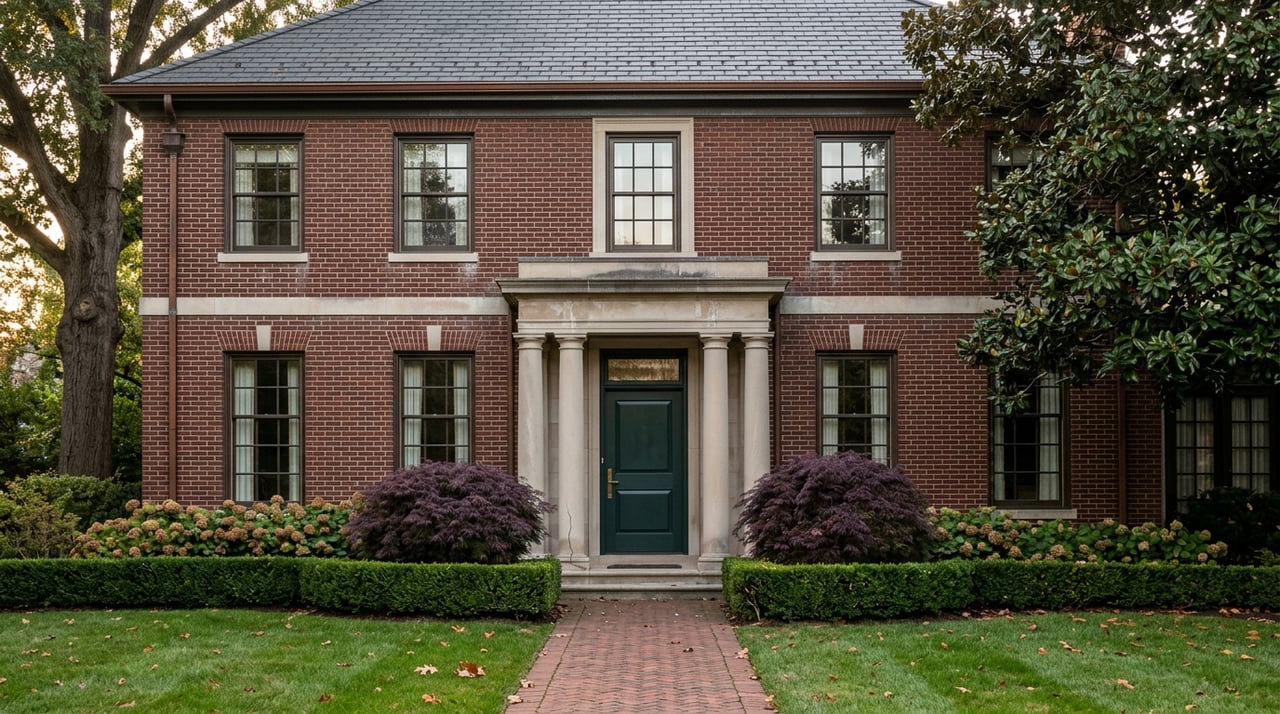
Decorating a historic home is a unique opportunity to blend the charm of the past with the comforts of the present. These homes often come with distinctive architectural details, rich histories, and timeless elegance that set them apart from modern constructions. When approached thoughtfully, decorating a historic home can enhance its character while making it a comfortable and functional space for today. This journey involves respecting the original features, choosing appropriate furnishings, and incorporating modern amenities in a way that complements the home's heritage. Let's explore various aspects of decorating an historic home to create a harmonious and inviting environment.
Embrace Original Architectural Features
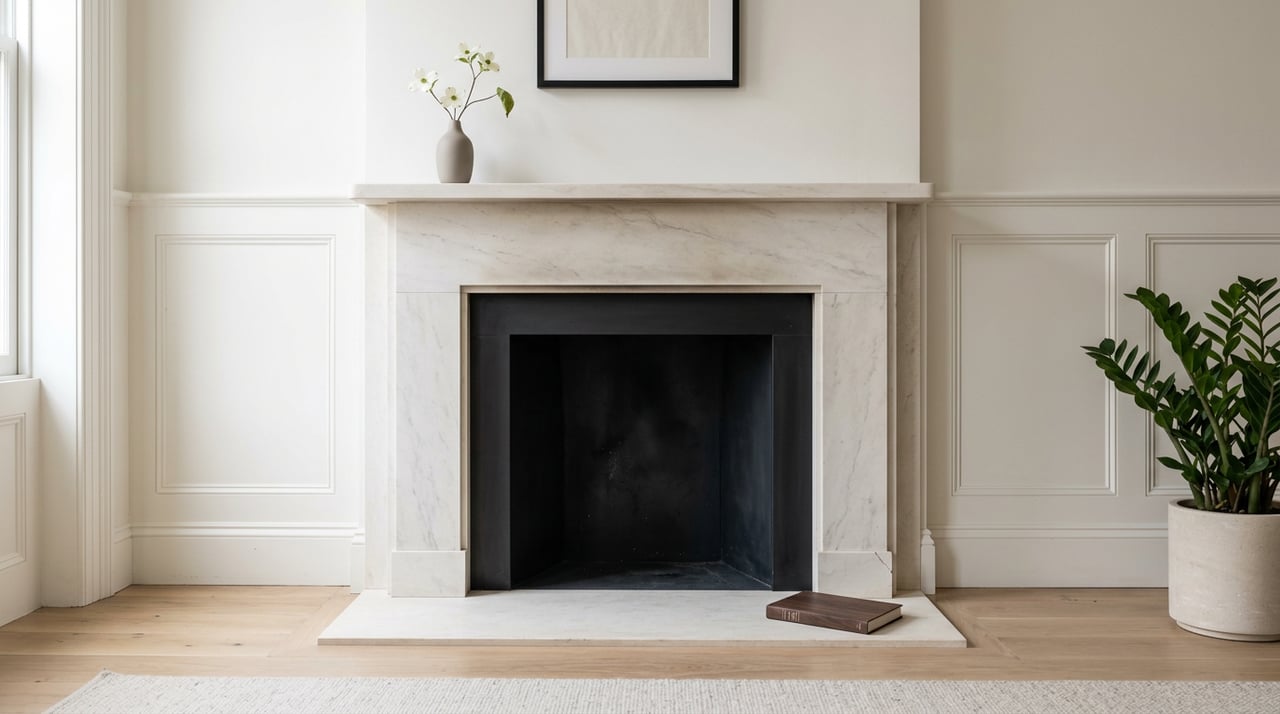
One of the most appealing aspects of historic homes is their unique architectural features. These may include intricate moldings, original hardwood floors, stained glass windows, and ornate fireplaces. When decorating, it's important to highlight these elements rather than overshadow them. Consider using neutral paint colors to accentuate the architectural details, allowing them to stand out as focal points. Additionally, maintaining or restoring these features can add significant value and authenticity to the home. If any original elements are damaged, seek out skilled craftsmen who specialize in historic restoration to ensure that repairs are in keeping with the home's character.
Choose Period-Appropriate Furnishings
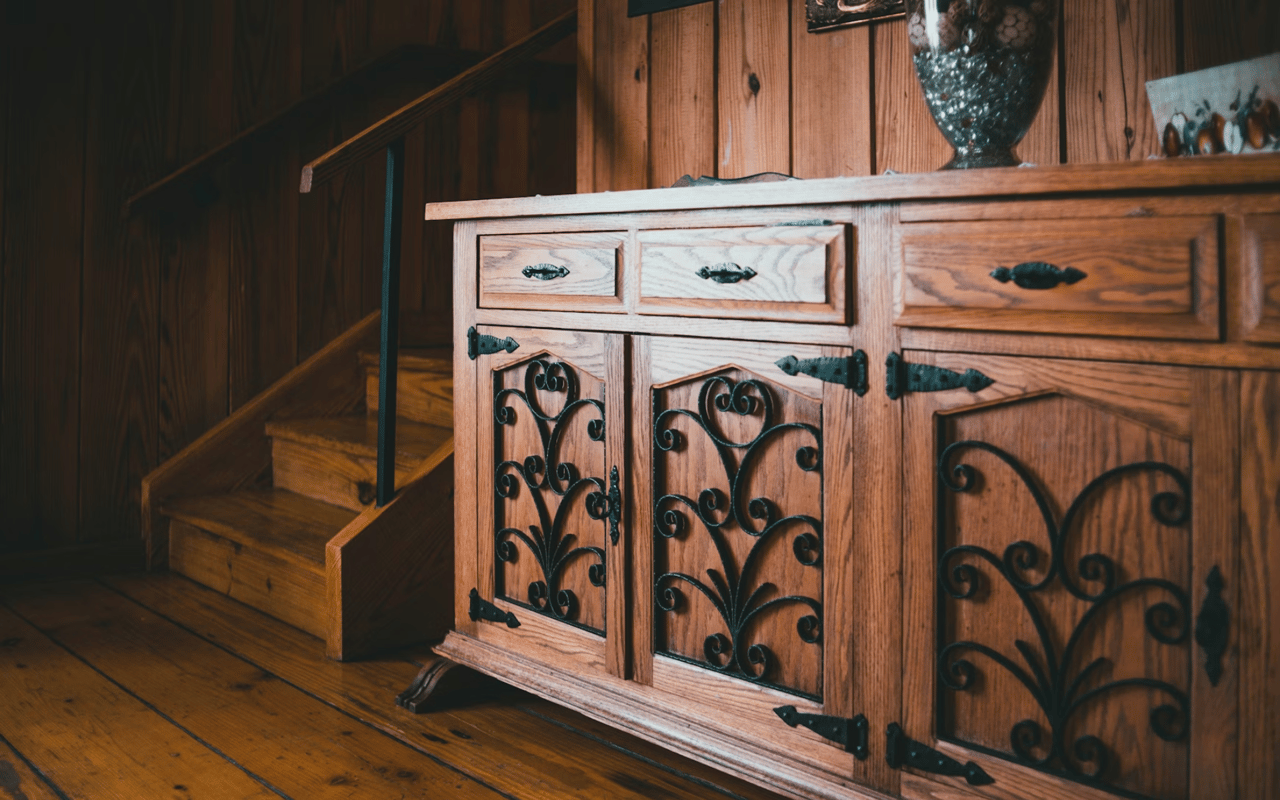
Selecting furnishings that reflect the era in which the home was built can enhance its historic charm. Antique or vintage pieces can seamlessly blend with the architectural style, creating a cohesive look. However, it's not necessary to furnish the entire home with antiques. Mixing period-appropriate pieces with modern furniture can create an eclectic yet harmonious aesthetic. When choosing furnishings, consider the scale and proportion of the pieces in relation to the room size and architectural features. This balance ensures that the decor complements rather than competes with the historic elements.
Incorporate Modern Amenities Thoughtfully
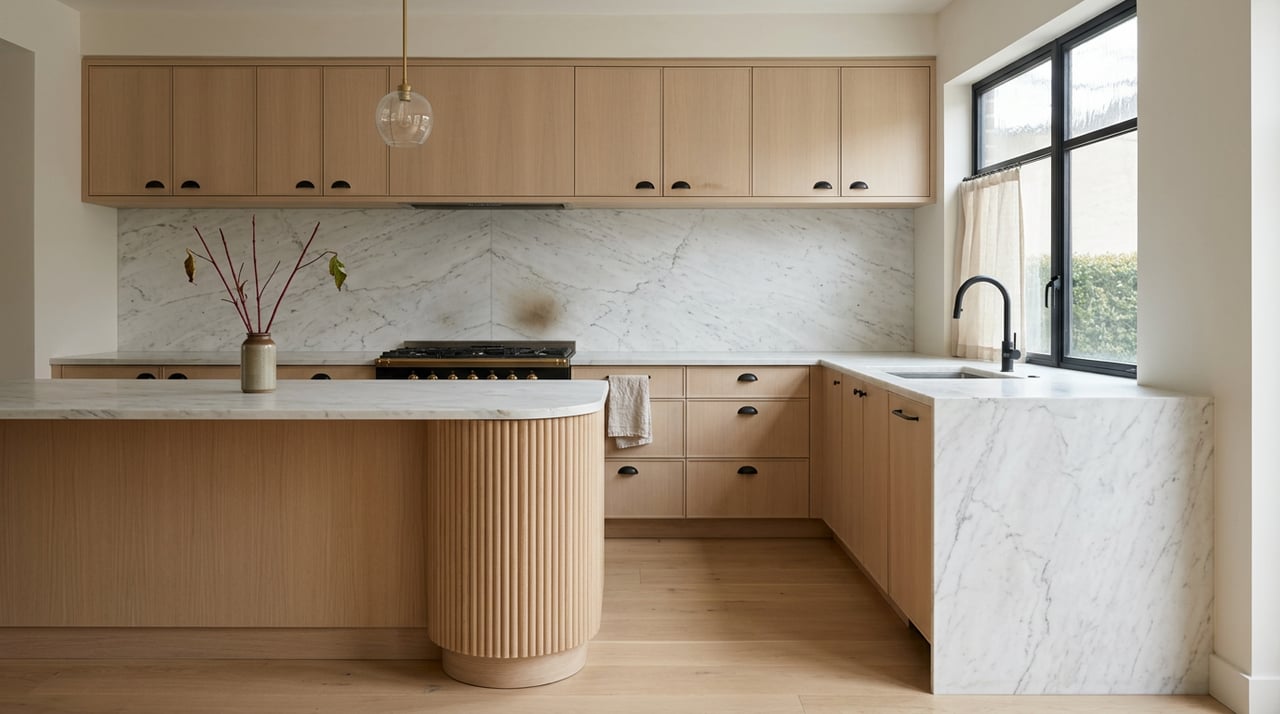
While preserving the historic integrity of the home is important, incorporating modern amenities is essential for comfort and functionality. The key is to integrate these updates in a way that respects the home's original design. For example, modern appliances can be concealed within cabinetry that matches the period style, and contemporary lighting fixtures can be chosen to complement rather than clash with the historic decor. When updating systems such as plumbing or electrical, work with professionals who have experience in historic homes to ensure that the installations are both efficient and unobtrusive.
Use Color to Enhance the Historic Ambiance
Color plays a significant role in setting the tone of a historic home. Researching the color palettes popular during the era when the home was built can provide inspiration for paint choices. Earthy tones, muted pastels, and rich jewel colors are often associated with historic homes and can be used to create a warm and inviting atmosphere. Additionally, consider using wallpaper with period-appropriate patterns to add texture and interest to the walls. When selecting colors, keep in mind the natural light in each room and how it interacts with the chosen hues throughout the day.
Highlight Historical Artifacts and Collections
Incorporating historical artifacts and collections into the decor can add depth and interest to a historic home. These items might include family heirlooms, antique books, vintage artwork, or collectibles that reflect the home's history. Displaying these pieces thoughtfully can create a sense of continuity and connection to the past. Consider using open shelving, glass-front cabinets, or dedicated display areas to showcase these treasures. When arranging collections, aim for a balance between visual interest and clutter, ensuring that each piece has space to be appreciated.
Respect the Home’s Historical Context
Understanding the historical context of the home can inform your decorating decisions and help you create a space that honors its past. Research the architectural style, the original builders or occupants, and any significant events associated with the home. This knowledge can guide your choices in furnishings, colors, and decorative elements, ensuring that they align with the home's heritage. Additionally, consider joining local historical societies or preservation groups to connect with others who share an interest in maintaining the integrity of historic homes.
Integrate Sustainable Practices
Sustainability is an important consideration when decorating any home, and historic homes are no exception. Integrating sustainable practices can enhance the home's efficiency while preserving its character. Consider using eco-friendly materials for renovations and choosing energy-efficient appliances and lighting. Additionally, restoring rather than replacing original features can reduce waste and preserve the home's authenticity. When sourcing furnishings and decor, look for vintage or reclaimed items that align with the home's style, reducing the environmental impact of new production.
Create a Cohesive Flow Between Rooms
Achieving a cohesive flow between rooms is essential in any home, but it can be particularly important in historic homes where architectural styles may vary. To create a sense of unity, consider using a consistent color palette or design theme throughout the home. This approach can help tie together different spaces while allowing each room to retain its unique character. Additionally, consider the layout and function of each room, ensuring that the flow between spaces is logical and conducive to modern living.
Balance Functionality with Aesthetic Appeal
While the aesthetic appeal of a historic home is often a primary focus, functionality is equally important. When decorating, consider how each space will be used and ensure that the design supports these functions. This might involve creating comfortable seating areas, ensuring adequate storage, or designing efficient workspaces. Balancing functionality with aesthetic appeal ensures that the home is not only beautiful but also practical and enjoyable to live in.
Personalize the Space with Modern Touches
Finally, personalizing a historic home with modern touches can create a space that reflects your unique style and preferences. This might include incorporating contemporary art, using bold accent colors, or introducing modern textiles and accessories. These elements can add a fresh perspective to the historic setting, creating a dynamic and inviting environment. When adding modern touches, aim for a balance that enhances rather than detracts from the home's historic charm, ensuring that the overall design remains cohesive and harmonious.
Embrace the Charm of Historic Home Decor
Decorating a historic home is a journey into the past, where each piece tells a story and adds to the charm of your living space. By blending timeless elements with modern comforts, you can create a unique atmosphere that honors the home's history while meeting your lifestyle needs. Whether you're restoring original features or adding period-appropriate decor, the possibilities are endless. For personalized advice and expert guidance in your area, reach out to Thomas Kolker to transform your historic home into a masterpiece.