The DC metro is the only Mid-Atlantic market projected to see prices soften in 2026, with BrightMLS forecasting roughly a 1% decline while Philadelphia and Baltimore climb. Capitol Hill is doing something else entirely. Over the three months ending May 2026, the neighborhood's median sale price landed at $925,000, up 2.8% year over year, on 41 days on market. Sellers who read that as a green light and list on the standard six-week runway often lose money they didn't know they had. The reason has almost nothing to do with price and almost everything to do with a review board most owners have never sat in front of.
The number that reframes the sale
The stat that matters most on the Hill isn't the median. It's the list-to-sale ratio, which sits near 98.7% on rowhouses transacting on core blocks. That number means buyers are willing to pay close to full ask when the file is clean. It also means the discount for a messy file, an open historic case, or a scope of unpermitted exterior work is not spread across a bidding war. It comes straight off your net.
A Capitol Hill rowhouse selling at the current median gives up roughly $12,000 for each full percentage point of list-price concession. Two rounds of buyer requests tied to preservation questions can wipe out the appreciation the neighborhood delivered against the wider metro over the last twelve months.
Where the historic district actually lives in your transaction
The Capitol Hill Historic District covers roughly 200 square blocks, bounded loosely by F Street NE/SE to the north, 2nd Street to the west, 19th Street to the east, and the Anacostia to the south. Any exterior change visible from public space, streets, sidewalks, or public alleys, is reviewed by the DC Historic Preservation Office and, for larger scopes, the Historic Preservation Review Board. That includes windows, doors, roof decks, rear additions, and, on previously unpainted masonry, paint color.
Two facts about this system quietly shape most Capitol Hill sales.
First, HPO staff clear the majority of preservation cases administratively, often in weeks. Major work goes to HPRB for a public hearing, which meets on a scheduled cadence and adds staff-report deadlines, filing fees, and community notice.
Second, historic review runs parallel to, not inside of, the DC Department of Buildings permit process. A Certificate of Appropriateness from HPO or HPRB is what unlocks the DOB permit review; it is not the permit itself. That two-track structure is explained plainly on the DC Office of Planning's site and it is where most sellers lose weeks they thought they had.
The three paper trails buyers' agents pull first
On the Hill, an experienced buyer's agent will ask three questions in the first 48 hours of a contract. Any one of them can trigger a price renegotiation.
- Are there open or pending HPO/HPRB cases on the property? An open case is not a defect, but it is a disclosure item, and an unresolved rear addition or roof deck concept in front of the board will be treated by cautious buyers as a binary risk.
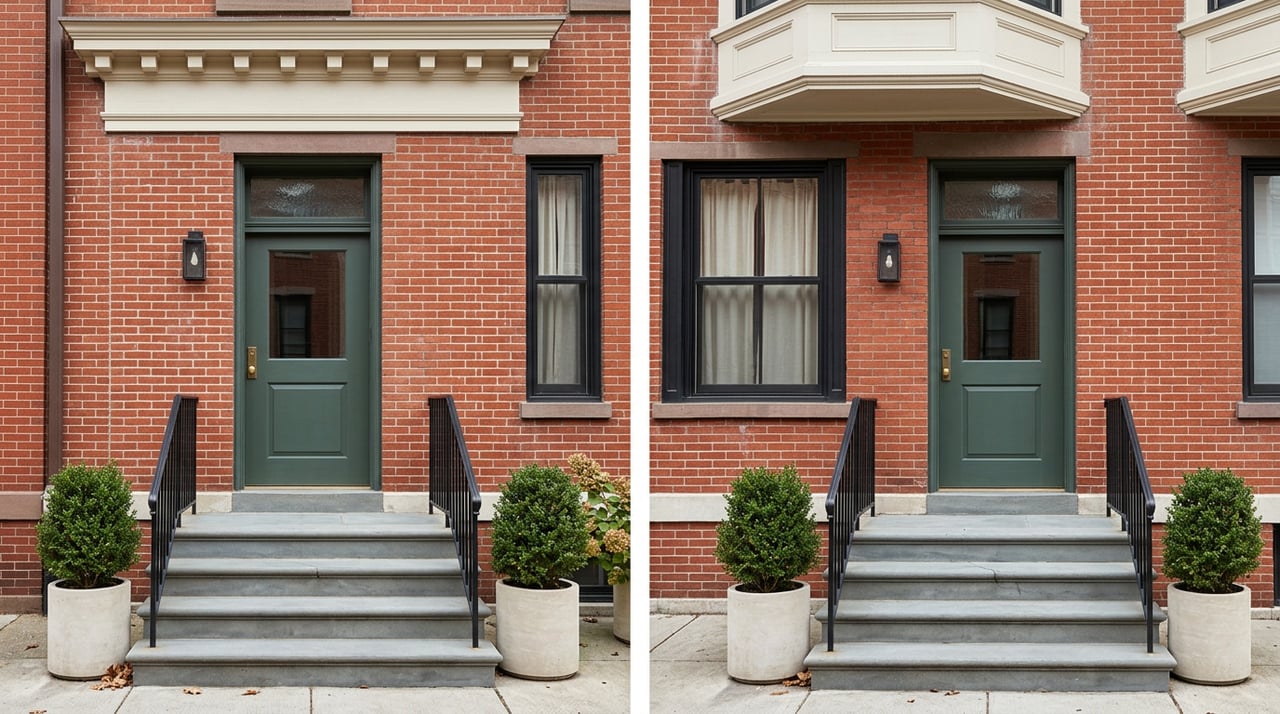
- Do the visible exterior changes match what's in the permit history? Vinyl replacement windows on a street-facing elevation, an aluminum storm door where a historic wood one should be, or a rear pop-up visible from the alley all raise the question of whether prior work was reviewed. The Capitol Hill Restoration Society is often the first outside voice that surfaces these concerns during ANC comment.
- Is the property contributing or non-contributing? Contributing buildings, the majority of the district's Federal, Greek Revival, and Victorian stock built between roughly 1870 and 1920, face the strictest review. Non-contributing infill has more latitude. HPO staff can verify status on request.
The practical implication: buyers who are financing at or near appraised value do not want to inherit a preservation problem. Their lender doesn't either.
Backing into a list date from an HPRB calendar
Most sellers plan the sale around staging, photography, and a Thursday go-live. On the Hill, the calendar has to be back-solved from historic review. Permit expediters and contractors working the district consistently cite the following ranges:
| Scope | Time to permit-ready |
|---|---|
| Small facade repair, in-kind replacement | 2 to 3 months |
| Window replacement, porch changes, visible roof work | 3 to 6 months |
| Additions, demolition, or any zoning relief | 6 to 12 months or more |
| HPRB public review window alone | 8 to 16 weeks |
| DOB permit issuance after historic approval | 4 to 12 weeks |
Three practical moves come out of that table.
If your exterior work is minor and in-kind, an HPO staff-level sign-off is usually available in weeks, and you can list on a normal spring timeline. Repair-first is the district's default posture on original wood windows, which HPO and the National Park Service both favor over full replacement. That preference works in the seller's favor when the sashes are intact.
If your work involves a visible roof deck, a rear pop-up, or a new opening on a street elevation, the review is a separate project you should have started before the listing conversation. Roof decks are approvable when they are not visible from public street views and are located toward the rear. Additional stories above a contributing building are almost always found inconsistent with the preservation law and get denied.
If the work is already done and undocumented, the seller's decision is not whether to disclose. It is how to price the disclosure. A clean, dated file of what was filed, what was approved, and what remains open is worth more to a buyer than a vague verbal history and a lower ask.
The block-by-block problem inside a 300-acre district
Capitol Hill is often discussed as a single market. It isn't. The district contains roughly 5,767 rowhouses spread across three hundred acres, and the sub-markets behave differently. Blocks within four to six minutes of Eastern Market or Barracks Row, DC's continuously operating public market since 1873 and the 8th Street SE corridor respectively, price and absorb differently than blocks east of Lincoln Park or south toward the SE waterfront.
That matters for sellers in two concrete ways.
Comparable selection has to respect the block, not just the ZIP code. A renovated three-bedroom two blocks off Eastern Market is not comparable to the same floor plan ten blocks east, even if the MLS lumps them together. Median sale price per square foot on the Hill was $596 in the three months ending May 2026, but the range around that median is wide.
Absorption also varies. Days on market moved to 41 in Q2 2026 from 33 a year earlier. That is still fast by metro standards, where DC-wide DOM is closer to 49, and it is dramatically faster than the low-double-digit medians the tightest Hill blocks post individually. Sellers on the strongest blocks can still write ambitious list prices. Sellers two or three blocks off the core cannot rely on the neighborhood's headline number to carry the strategy.
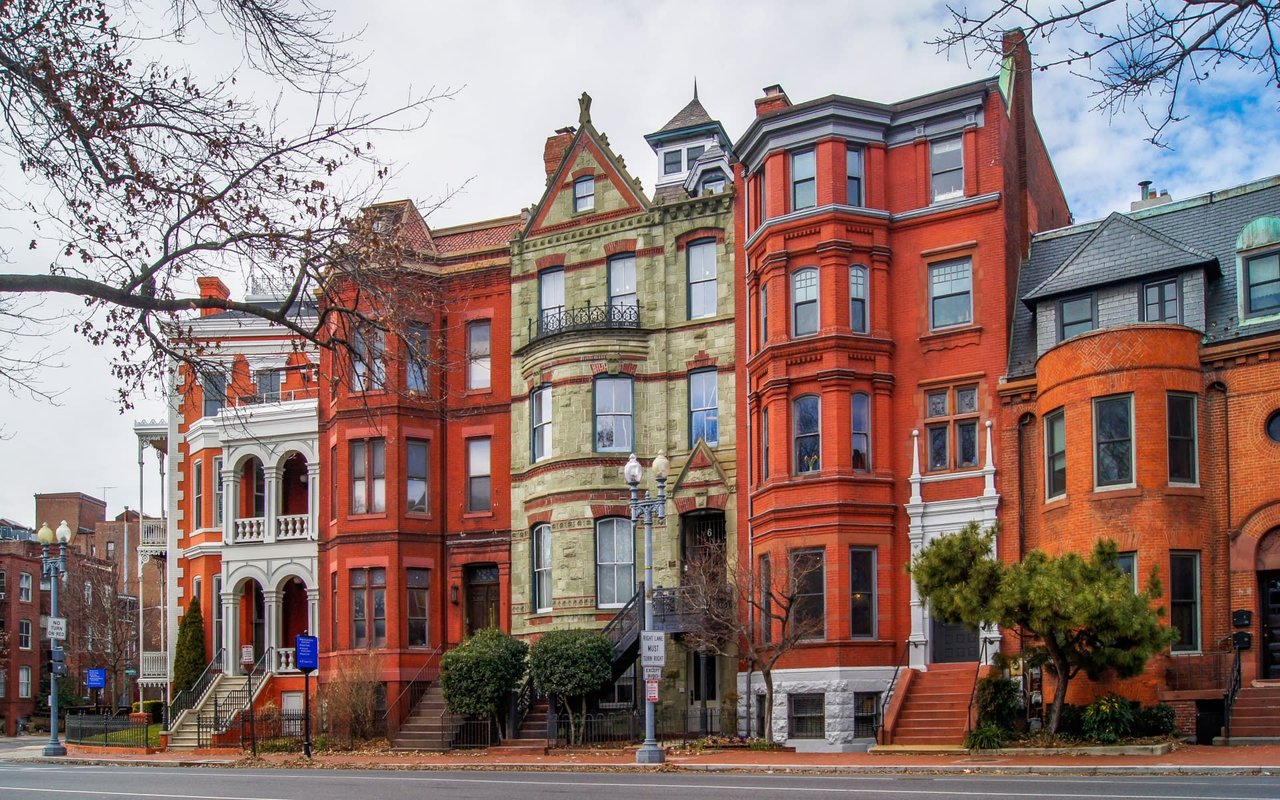
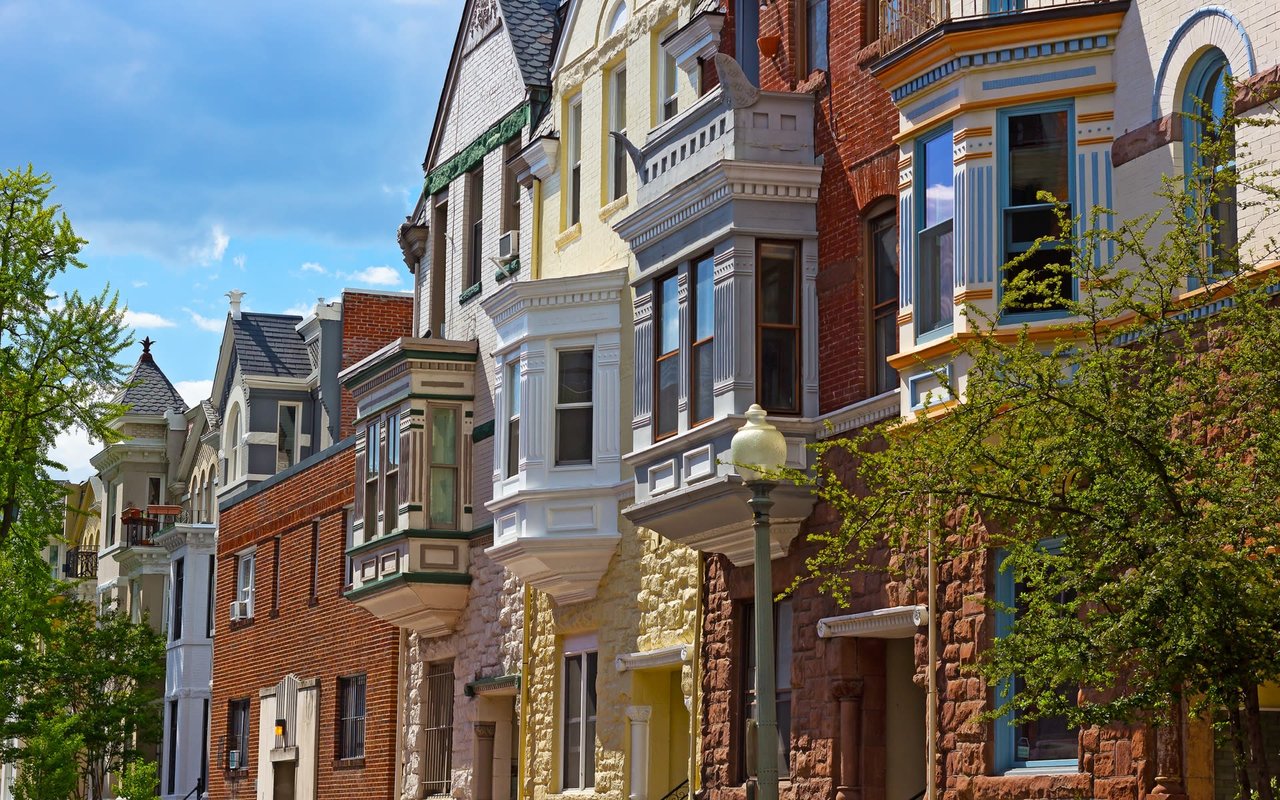
The Federal, Greek Revival, and Victorian architecture that defines those core blocks is the whole reason the district exists, and it is the reason a well-prepared Hill listing still trades at close to ask in a metro that is otherwise flattening. Preservation is the source of the pricing power. It is also the constraint that has to be respected in the run-up to closing.
A short FAQ
Do I need HPRB approval to sell? No. The board reviews exterior work, not transactions. What can affect the sale is the state of any prior or pending case tied to the property.
If a prior owner replaced windows without approval, is that my problem? It becomes the seller's problem to disclose and, in some cases, to resolve before closing. Modern hard mortars on historic brick, off-the-shelf vinyl in original openings, and unpermitted rear additions are the three items most likely to surface in a buyer's inspection.
What about interior renovations? Interior work is generally outside HPRB's scope unless the property has a specific interior designation, which is rare on the Hill. That is one reason kitchen and bath investments tend to pay back reliably here.
Do I have to replace the lead service line before selling? The DC Water Lead Free DC program handles the public side of the service line. The private side is the homeowner's responsibility. It is not a mandatory pre-sale replacement, but it is a common buyer request in a district where the housing stock skews well over a century old.
Selling a Capitol Hill rowhouse in 2026 rewards preparation more than it rewards timing. The market is on your side. The paperwork has to be, too. Thomas Kolker is a fourth-generation Washingtonian and Capitol Hill resident with TTR Sotheby's International Realty. If you're weighing a sale in the district and want to sequence historic review, staging, and marketing around a realistic list date, request a complimentary consultation and home valuation.