Wondering how to make sense of Kalorama’s luxury market without overpaying or missing the right fit? You are not alone. Kalorama carries prestige, but for buyers, the name can blur very different property types, price points, and buying conditions. This guide will help you understand how Kalorama really works, what to look for when touring, and how to approach due diligence with confidence. Let’s dive in.
Kalorama Is Not One Market
One of the biggest mistakes buyers make is treating Kalorama as a single, uniform neighborhood. In practice, Kalorama is better understood as a prestige umbrella that includes distinct subareas with different housing stock and pricing patterns.
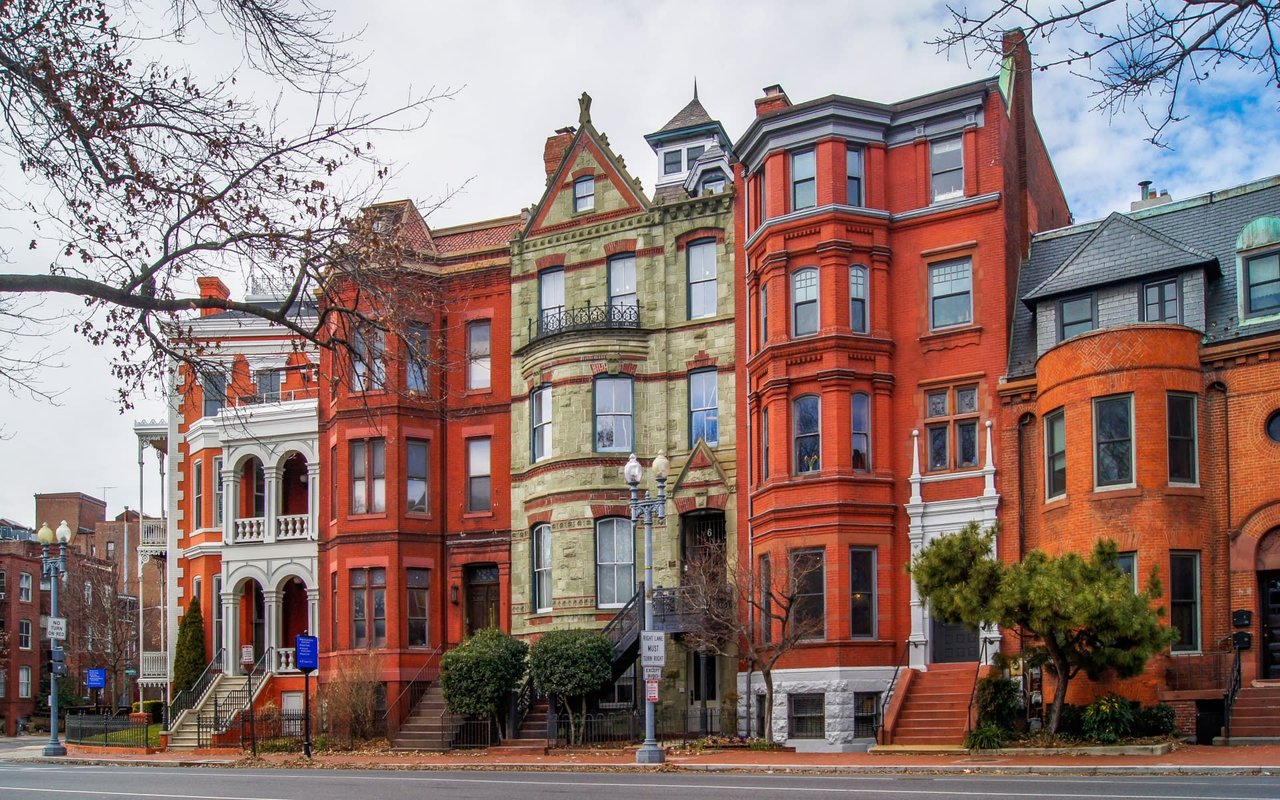
DC’s Office of Planning describes Sheridan-Kalorama as an area known for grand Victorian townhomes, stand-alone mansions, and embassy presence. Kalorama Triangle, by contrast, is a more tightly bounded historic district that is almost entirely residential. For you as a buyer, that means the specific block, building type, and historic district boundary matter more than the label alone.
Sheridan-Kalorama vs. Kalorama Triangle
If you are shopping at the luxury end of the market, Sheridan-Kalorama is usually the clearest benchmark. It more consistently reflects the larger homes and more overtly luxury-oriented historic properties that many buyers picture when they hear “Kalorama.”
Kalorama Triangle still matters, especially if you are comparing condos, rowhouses, or apartment-style residences within the broader Kalorama conversation. But it should not be lumped into the same comp set as a detached house or large townhouse in Sheridan-Kalorama.
Why Subdistricts Matter for Pricing
Broad market data shows a wide spread. As of May 31, 2026, Zillow placed the broader Kalorama home value index at $1,375,034, with a median list price of $2,389,833 and 18 for-sale listings.
At the same time, Realtor.com showed Sheridan-Kalorama with a median listing price of $2.3 million, while Kalorama Triangle sat much lower at $637,400 with more condo-oriented inventory. That gap is a strong reminder that one neighborhood median can hide very different products.
What You Will Find in Kalorama
Kalorama appeals less because it feels new and more because it offers architectural character, privacy, and a strong sense of place. If you are drawn to historic DC homes with scale and detail, this is part of the appeal.
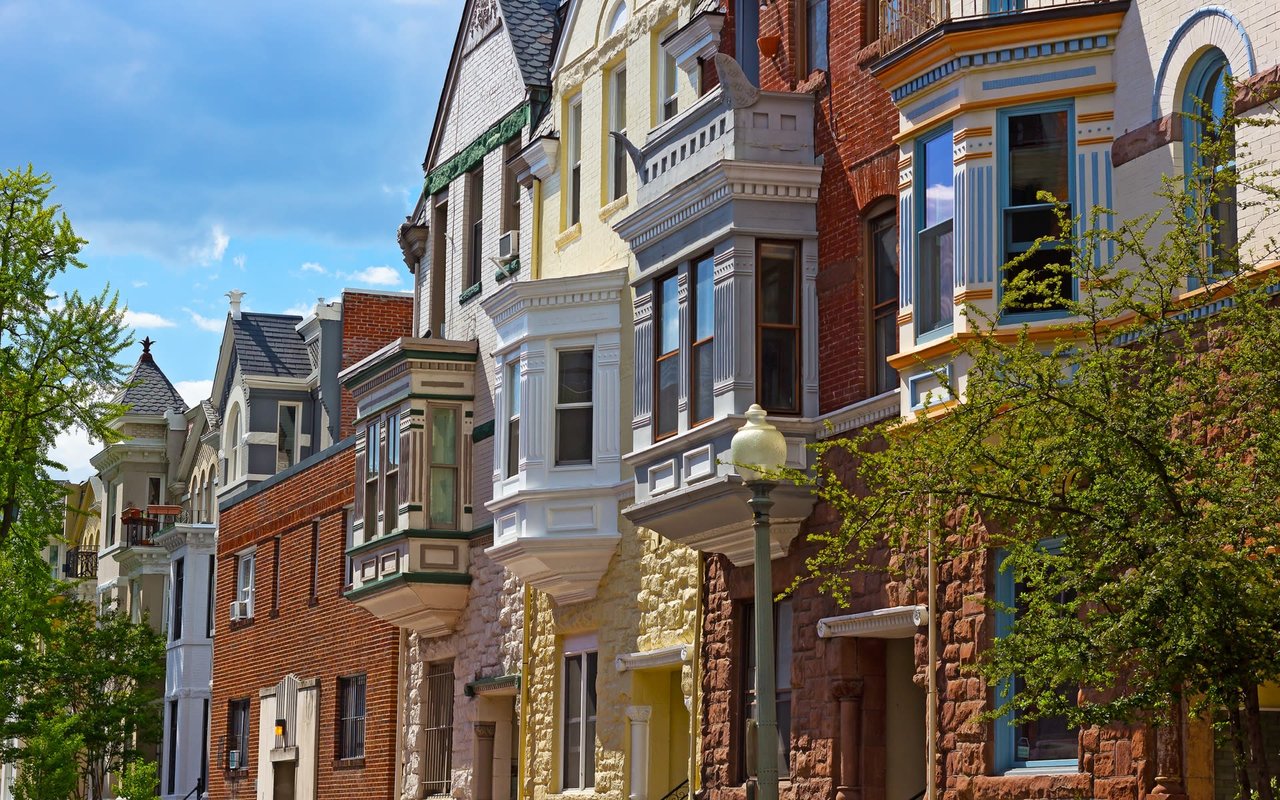
Kalorama Triangle developed in the late 1890s and includes 353 contributing buildings that are almost entirely residential. The district is known for attached rowhouses, detached houses, and large apartment buildings, with architecture that includes Colonial Revival, Mission and Spanish Colonial Revival, Arts and Crafts, and late Victorian influences.
Sheridan-Kalorama includes a broader and more visibly grand range of housing forms. District documentation identifies urban villas, rowhouses, town houses, detached houses, mansions, apartment buildings, and even carriage houses and garages.
Expect Older Housing Stock
A key point for buyers is that much of Kalorama’s housing stock predates 1945. In Sheridan-Kalorama, a 1988 survey found that 86.8% of extant buildings were built before 1945.
That older housing stock can be a major plus if you value original architecture, proportion, and craftsmanship. It also means you should look closely at renovation history, building systems, and how much of the original structure remains.
How to Tour Kalorama Like a Smart Buyer
A strong Kalorama tour is about more than finishes and square footage. In a neighborhood with varied topography, older homes, and mixed building scales, you will want to compare homes on a deeper level.
As you tour, pay attention to:
- Building type, such as condo, rowhouse, townhouse, or detached house
- Lot orientation and how the home sits on the block
- Renovation history and whether updates appear cohesive
- Signs of deferred maintenance in older systems or exterior elements
- How much original architectural fabric has been preserved
- Whether the property sits within a historic district boundary
These details affect not just value, but your ownership experience after closing.
What the Current Market Suggests
Kalorama remains a low-turnover, selective market, but that does not mean every property lingers. Some homes are moving efficiently when they are priced and positioned well.
Redfin reported a median sale price of $1.739 million across Kalorama over the three months ending May 2026, with average days on market of 21 and 9 homes sold in May. Realtor.com also indicated that Sheridan-Kalorama homes sold for about asking on average in May 2026, while Kalorama Triangle homes sold at about 98% of list.
What That Means for Buyers
You should be prepared to act quickly when the right property appears. At the same time, the segmentation within Kalorama means speed should not replace discipline.
The best strategy is often competitive but measured. A strong offer matters, but so does using the right comp set and preserving enough protection to evaluate an older home properly.
Build Your Budget Before You Tour
In a neighborhood with thin inventory and a wide pricing range, preparation gives you an edge. Before you fall in love with a home, it helps to know exactly what payment range, down payment, and closing costs fit your goals.
Preapproval is especially useful here because standout properties can attract quick attention. Having financing lined up helps you move decisively without stretching beyond a comfortable monthly cost.
Due Diligence Matters More in Kalorama
Because so much of Kalorama consists of older homes, due diligence is not just a box to check. It is one of the most important parts of the purchase.
A careful review can help you avoid surprises tied to aging systems, earlier renovations, or work that may not have been fully documented. In a high-value historic market, even a small issue can become expensive quickly.
Use Inspection Protections Carefully
A strong inspection contingency can be especially important in Kalorama. Older homes may have hidden repair needs or prior alterations that are not obvious during a showing.
Using an independent inspector and attending the inspection, if possible, can give you a clearer picture of the property’s condition. That does not mean your offer needs to be timid. It means your competitiveness should be paired with smart protections.
Treat Lead Safety as Routine
Many Kalorama homes were built well before 1978. For most pre-1978 housing, the Lead-Based Paint Disclosure Rule applies, and buyers must receive known information, available records, and the lead pamphlet before signing a contract.
Even when a home has been updated, it is wise to treat lead awareness as a standard part of your review. This is simply part of buying older housing stock responsibly.
Check Historic District Review Early
If you hope to renovate after purchase, historic district review should be part of your planning from the start. In DC, plans affecting a historic district must be referred for Historic Preservation Review Board review before a building permit is issued.
The city also encourages preliminary design review with the Historic Preservation Office, and concept review can provide early guidance before final permit submission. If future changes are part of your vision, early clarity can save time and frustration.
Verify Permits and Public Records
Before writing an offer, it is smart to review the property through DC’s available records tools. PropertyQuest aggregates city data including historic resources, zoning, tax, and photo layers, though source agencies remain the definitive authority.
This can help you spot issues worth checking more closely. Since DC states that construction without required permits is illegal, permit history and any violations deserve attention before you assume prior work was fully approved.
Understand DC Closing and Carrying Costs
Luxury buyers in Kalorama should budget beyond the purchase price. In DC, for residential transfers of $400,000 or more, the deed recordation tax and deed transfer tax are each 1.45% of the consideration or fair market value, plus the Recorder of Deeds surcharge and recording fees.
Ongoing ownership costs matter too. For tax year 2026, Class 1A residential property is taxed at $0.85 per $100 of assessed value, while Class 1B residential property with no more than two dwelling units has a split rate above $2.558 million of assessed value.
First-Time Buyer Relief Usually Will Not Apply
If you are a first-time buyer, do not assume the reduced recordation tax rate will fit a Kalorama purchase. DC’s FY2026 reduced rate is 0.725%, but the purchase-price cap is $777,000.
For many Kalorama luxury purchases, that cap will be too low to help. Owner-occupants may be more interested in the Homestead Deduction, which reduces assessed value by $91,950 for tax year 2026 if the property qualifies as the principal residence.
A Practical Kalorama Offer Strategy
The right Kalorama offer is rarely about being the most aggressive at any cost. It is about being prepared, informed, and fast when the property truly matches your goals.
A smart buyer strategy usually includes:
- Preapproval before active touring
- A clear ceiling for your monthly payment and cash to close
- Comps based on the correct subdistrict and property type
- Inspection and financing protections suited to older housing stock
- Early review of permits, historic status, and tax implications
- A willingness to move quickly when the right home appears
That balanced approach is especially important in a neighborhood where inventory can be limited, but where overbidding against the wrong comp set can be costly.
Why Kalorama Rewards Neighborhood Nuance
Kalorama is one of those DC addresses that can look straightforward from the outside but become much more complex once you start comparing actual homes. A condo in Kalorama Triangle and a detached house in Sheridan-Kalorama may share a name, but they often belong to very different buying conversations.
That is why local context matters. When you understand the submarket, the architecture, the historic overlay, and the real carrying costs, you can buy with much more confidence and far less guesswork.
If you are considering a purchase in Kalorama and want practical, no-pressure guidance grounded in DC neighborhood nuance, Thomas Kolker can help you evaluate the right block, property type, and strategy for your goals.
FAQs
What makes Kalorama luxury real estate different from other DC neighborhoods?
- Kalorama combines prestige, older architectural character, and distinct submarkets, so buyers need to evaluate specific blocks, building types, and historic district boundaries rather than rely on the neighborhood name alone.
What is the difference between Sheridan-Kalorama and Kalorama Triangle for buyers?
- Sheridan-Kalorama is generally the stronger luxury benchmark, with larger historic homes and more grand housing forms, while Kalorama Triangle often includes more condos, rowhouses, and apartment-style residences at different price points.
How competitive is the Kalorama real estate market in 2026?
- Available market data suggests select homes can still move efficiently, with Redfin reporting a 21-day average market time for Kalorama sales through May 2026 and Realtor.com indicating Sheridan-Kalorama homes sold about at asking on average in May 2026.
Why is due diligence so important when buying a home in Kalorama?
- Much of Kalorama’s housing stock predates 1945, which means buyers should look closely at inspection findings, renovation history, permit records, and possible lead-related disclosures tied to older homes.
What should buyers know about historic district rules in Kalorama?
- If a property is in a historic district, plans that affect the property may require review before a building permit is issued, so buyers who expect to renovate should check that process early.
What taxes and costs should buyers budget for in Kalorama, DC?
- Buyers should plan for DC deed recordation and transfer taxes of 1.45% each on residential transfers of $400,000 or more, plus applicable recording-related fees and ongoing annual property taxes based on classification and assessed value.