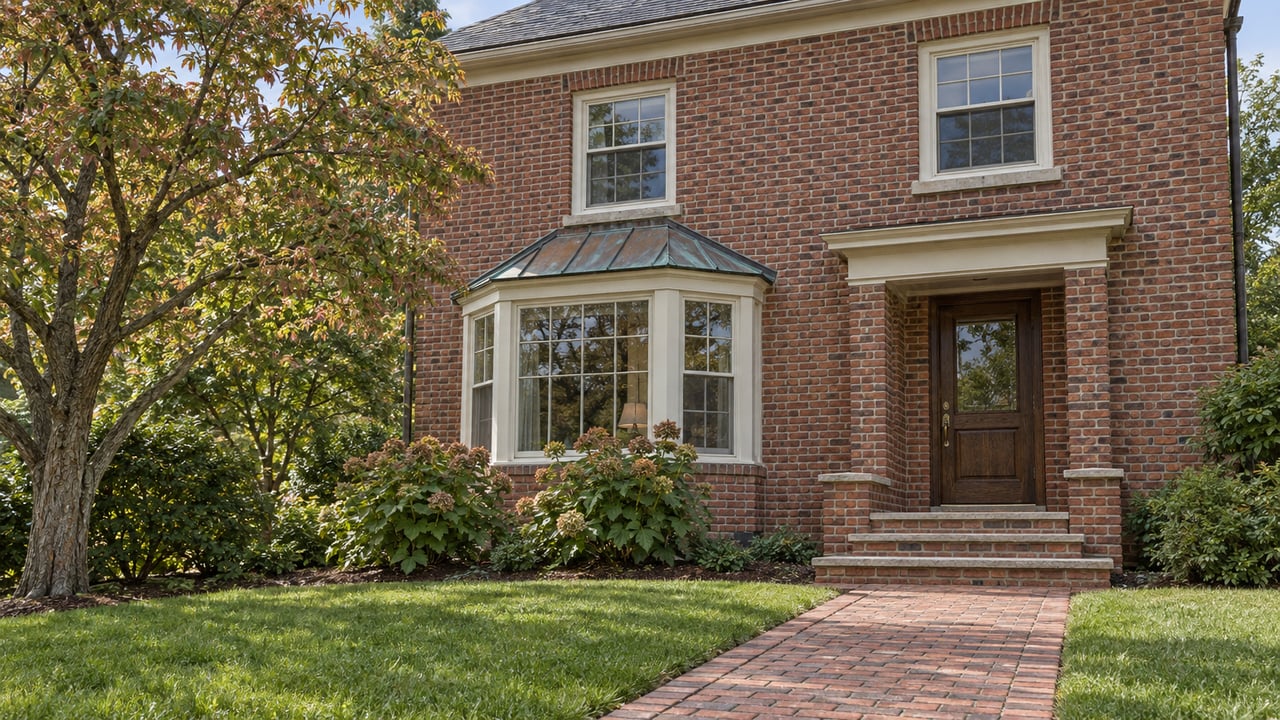
"Building new allows us to tailor a home to the property and the family. We're not constrained by the limits of an old structure."
In an article on Monarch, Jason Furtek, identified as Director of Construction at Monarch, a design-build firm working in Vienna and McLean, said this. It reads like a taste statement, a preference for open floor plans over compartmentalized 1970s layouts. It isn't. It's a description of arithmetic that has already been done, on a spreadsheet, before the first design meeting.
In a meaningful share of McLean's older neighborhoods, the price on the listing has stopped describing the house. It describes the dirt.
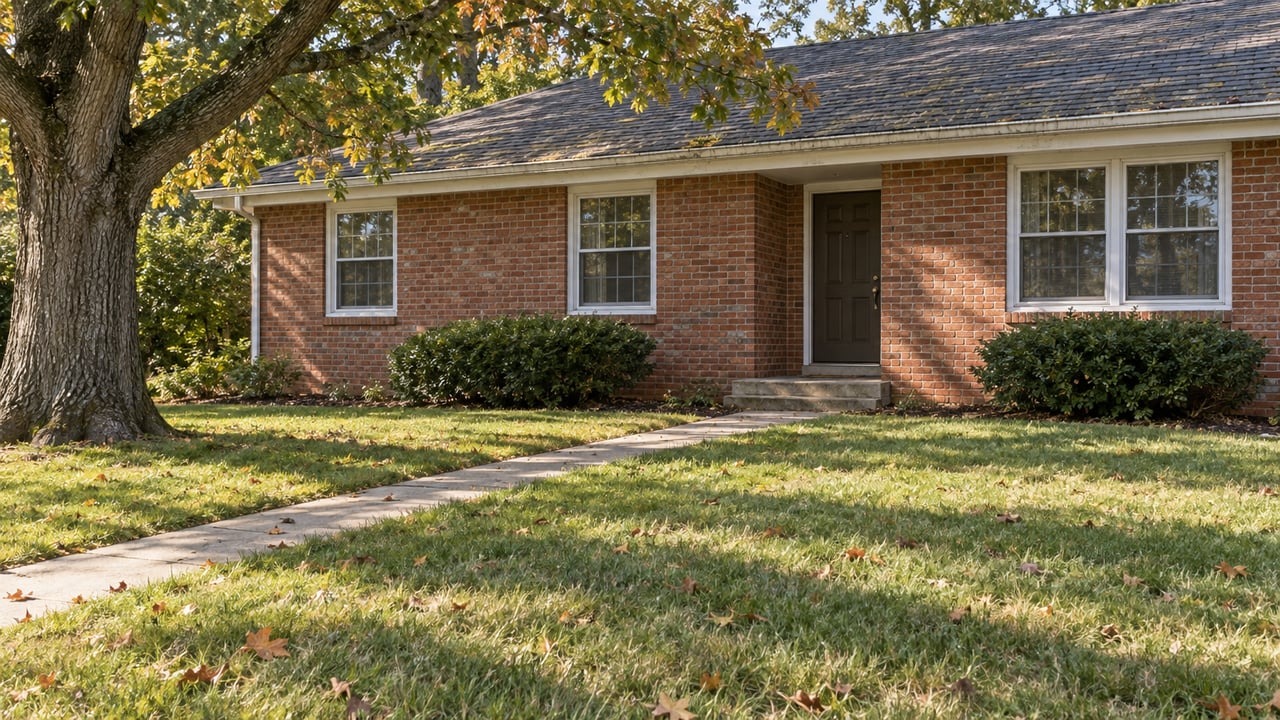
The Split-Level Whose Lot Can Be Worth More Empty
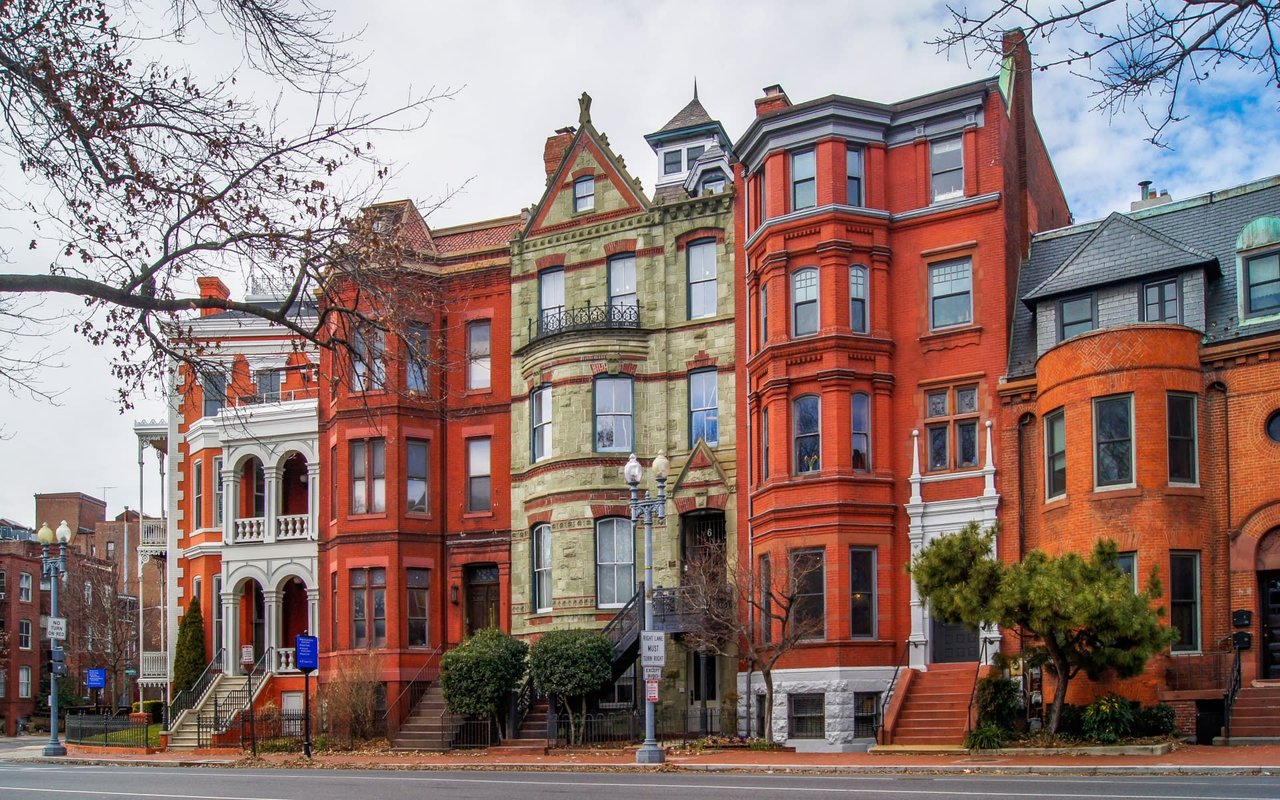
Walk the streets of Salona Village, McLean Hamlet, Langley Forest, Broyhill McLean Estates, or the corridor along Chain Bridge Road and Georgetown Pike, and you're looking at housing stock built mostly in the 1960s and 1970s. Ramblers, split-levels, colonials on generous quarter- and half-acre lots. These are the homes that show up on a search as "dated" or "as-is," the ones a buyer might assume are priced for a discount because the kitchen hasn't been touched since Ford was president.
They aren't discounted. In much of McLean, the land under these houses can account for most of the sale price, though the structure may still add value in some cases. Builders and demolition contractors working the area describe the same pattern from different angles: buyers acquire the mid-century house specifically for the lot, then remove it and build something in the 5,000 to 11,000 square foot range in its place. For buyers who plan to remove it, the house is an obstacle to be cleared.
That distinction matters for anyone comparing a listing price against what similar square footage costs elsewhere in Northern Virginia. You are not paying most of McLean's premium for finishes, or even for the existing floor plan. You're paying much of it for the ground, and the ground would cost roughly the same whether the split-level on it was renovated last year or not touched since 1978.
What the Region's Number Doesn't Show
Regional market data from May 2026 gives a baseline worth holding onto. The Northern Virginia Association of Realtors reported closed sales up 11 percent year over year that month, a regional median sold price of $812,012, and homes moving in an average of 15 days on market. Northern Virginia's price growth was outpacing the national rate.
McLean sits well above that median, but by how much depends on which 2026 estimate you're reading. One widely cited figure puts McLean's average home value near $1.43 million, with the premium 22101 zip code averaging over $1.61 million. A separate trade estimate puts the citywide average closer to $2.2 million. Neither number is wrong exactly. They're measuring a market that no longer has a typical middle.
| Metric | Northern Virginia (regional) | McLean |
|---|---|---|
| Reported period | May 2026 | 2026 (estimates vary by source) |
| Median / average value | $812,012 median | $1.43M to $2.2M average, depending on source |
| Days on market | 15 days average | Not separately reported |
| Year-over-year change | Closed sales up 11% | Continued appreciation, per multiple 2026 sources |
When a neighborhood's housing stock is this split between the untouched 1970s split-level and the 8,000 square foot rebuild finished last spring next door, an average stops describing anything a buyer can act on. You need to know which building the number is attached to before it tells you what to expect on the ground.
The 70 Percent Rule
Custom builders working in McLean describe a threshold that shows up again and again in the decision between renovating and rebuilding: once the cost of a comprehensive renovation approaches roughly 70 percent of what a full replacement would cost, the rebuild becomes the more rational path. Aging foundations, low ceiling heights, and compartmentalized 1960s and 1970s layouts push a lot of McLean's older stock past that line before a buyer even opens the walls.
That threshold is worth carrying into a walkthrough. A home priced as an "opportunity" or a "fixer" in this market often isn't priced against a renovation budget at all. It's priced against a teardown, because the underlying economics already crossed that line years ago. Buying the house with a plan to update the kitchen and refinish the floors can mean discovering, mid-project, that the sensible number was always the replacement number.
The Lot That Looks Buildable and Isn't
Here's where the friction shows up, and it shows up after the offer is accepted, not before.
Fairfax County draws a distinction that catches buyers off guard: a lot can be legally valid and still not be buildable in the way a buyer assumed. Much of western McLean was planned as low-density residential land with half-acre lots, which sounds like room to build. But moving from an existing structure to new construction on that same parcel means clearing a specific set of hurdles first.
Resource Protection Areas under Virginia's Chesapeake Bay Preservation rules can affect a project near streams and waterways. A lot that looks like straightforward suburban ground on a listing photo can carry an RPA overlay that limits exactly where and how much a builder can dig.
Land disturbance itself has a hard trigger. Once a project disturbs more than 2,500 square feet, McLean Demolition says Fairfax County requires an Erosion and Sediment Control plan before work begins. Most teardown-rebuild projects on a standard McLean lot cross that threshold without much effort, which means the ESC plan isn't optional paperwork. It's a required step in the timeline.
Then there's the house itself. According to McLean Demolition, Virginia requires a certified asbestos inspection before demolition of any structure built before 1980; most of McLean's teardown candidates were built before 1980. Common places it turns up in this era of construction include 9x9 floor tiles, pipe insulation, joint compound, and textured ceiling finishes.
None of this makes a lot unbuildable. It makes the timeline longer than the "buy it, tear it down, build" version a buyer pictures while touring. Before writing an offer on a McLean property with redevelopment in mind, it's worth confirming a few things:
- The zoning district and minimum lot size that actually apply to the parcel, along with front, side, and rear setbacks
- Whether any portion of the lot falls inside a Resource Protection Area or floodplain overlay
- Whether the total project will disturb more than 2,500 square feet of land, which triggers the county's Erosion and Sediment Control requirement
- Whether the existing structure predates 1980, which triggers Virginia's asbestos inspection requirement before any demolition permit is issued
- A current plat or house location survey confirming boundaries and easements, since a generous-looking lot can have a smaller usable building envelope than it appears
A Few Questions Before You Write an Offer
Does every older home in McLean qualify as a teardown candidate? No. County planning guidance describes much of western McLean as intentionally low-density, but a lot being large and older doesn't guarantee it clears every hurdle. Resource Protection Areas, floodplain restrictions, corner and pipestem lot rules, and tree preservation requirements all apply parcel by parcel.
How long does the process actually take once a deal closes? The preparation phase alone, covering permitting, utility disconnection, and any required asbestos inspection, typically runs two to four weeks before a demolition crew arrives. That's before design and construction on the new house even starts.
If the price already reflects land value, why does the sale price still vary so much between similar lots? Lot quality isn't uniform even within one neighborhood. Tree canopy, grading, solar orientation, and stream proximity all affect what a specific parcel can support, which is why two lots of the same size a few streets apart can carry very different price tags once a builder actually evaluates them.
McLean's price tag makes more sense once you stop reading it as a house number and start reading it as a land number with a structure sitting on top, sometimes helping the case, sometimes just waiting to be cleared. If you're weighing an older McLean property against something move-in ready elsewhere in Northern Virginia, or trying to figure out what a specific lot can actually support before you fall for a floor plan that isn't there yet, Thomas Kolker can walk the numbers with you before you write the offer, not after.
This article is general information, not legal, tax or financial advice. Consult a qualified professional about your situation.