If you are choosing between an Arlington condo and a Downtown DC condo, you are really choosing between two different ways of living in the same metro area. Both can offer walkability, transit access, and a low-maintenance home base, but the day-to-day feel, pricing, and building options can differ more than many buyers expect. This guide will help you compare cost, commute, building style, and lifestyle so you can decide which side of the river fits you best. Let’s dive in.
Start With the Market Basics
A quick look at current inventory shows a meaningful difference between Arlington and Downtown DC. Arlington has 253 condos for sale at a median listing price of $400,000, while Downtown DC has 56 condos for sale at a median listing price of $543,000. Arlington condos are also averaging 43 days on market and 4 offers, compared with 57 days on market and 3 offers in Downtown DC.
That snapshot matters because it points to two practical takeaways. First, Arlington currently offers more choices at a lower median entry point. Second, Downtown DC tends to come with a higher price tag, but it is not one single market.
In the core DC area, pricing varies by neighborhood. Dupont Circle has 79 condos at a median listing price of $432,000, Foggy Bottom has 21 at $455,000, and Georgetown has 27 at $699,000. If you are considering Downtown DC, it is smart to compare specific neighborhoods rather than assume every central location is priced the same.
Arlington Value vs Downtown Premium
For many buyers, budget is the first filter. Arlington often stands out if you want a lower median price while staying close to the urban core. That can make it easier to buy sooner, preserve cash for updates or reserves, or target a building with stronger amenities.
Downtown DC usually appeals to buyers who are willing to pay more for centrality. You may be paying for a location that puts you right in the middle of the city, closer to a wider range of downtown destinations and a broader mix of neighborhood experiences. If your priority is living in the center of the action, that premium may feel worth it.
Arlington’s 2025 condo forecast also suggests relatively modest price growth. Northern Virginia Association of Realtors projected a December 2025 median condo price of $476,832 in Arlington, up 1.6% year over year, with inventory edging up and sales staying roughly flat. The same forecast noted that affordability concerns and the prospect of higher maintenance fees could soften price gains.
That does not make Arlington a better or worse buy by itself. It simply means your decision should be grounded in your timeline, monthly comfort zone, and the kind of building you actually want to live in.
Compare Transit and Commute Patterns
If your daily routine depends on Metro, the right location may come down to how you want transit to work for you. Arlington’s condo market is closely tied to transit-oriented corridors, especially Rosslyn-Ballston and Crystal City-Pentagon City. Arlington County notes that high-density development is generally concentrated within a quarter-mile of Metro station entrances in these planning areas.
That planning pattern gives Arlington a very specific feel. In Rosslyn, Clarendon, Ballston, and Crystal City, condo living often means a straightforward walk to Metro, mixed-use streets, and a neighborhood built around the station corridor. Rosslyn sits on the Orange and Blue lines, Clarendon and Ballston-MU are on the Orange and Silver lines, and Crystal City is on the Blue and Yellow lines with Metroway connections.
Downtown DC offers a denser rail mix in the center of the system. Metro Center serves the Red, Orange, Silver, and Blue lines, while Gallery Place serves the Red, Green, and Yellow lines. Dupont Circle is on the Red Line.
In simple terms, Downtown DC often has the edge if you want the broadest range of direct rail options in the urban core. Arlington is often the cleaner fit if you want a transit-oriented lifestyle organized around established urban villages and Metro corridors. Neither is universally better. It depends on whether you value network depth or corridor simplicity.
Look at the Building Stock
The type of condo building you want can be just as important as the zip code. Arlington’s condo inventory reflects decades of smart-growth planning. The Rosslyn-Ballston corridor and Crystal City-Pentagon City are shaped by high-density, mixed-use development, and Rosslyn’s station area includes high-rise apartments and condominiums, smaller buildings, and newer luxury townhouses.
That often translates into a condo search with more tower-style buildings, more uniform planning, and a generally newer feel. If you like modern layouts, elevator buildings, and neighborhoods that were intentionally built around transit and mixed-use density, Arlington may feel more intuitive.
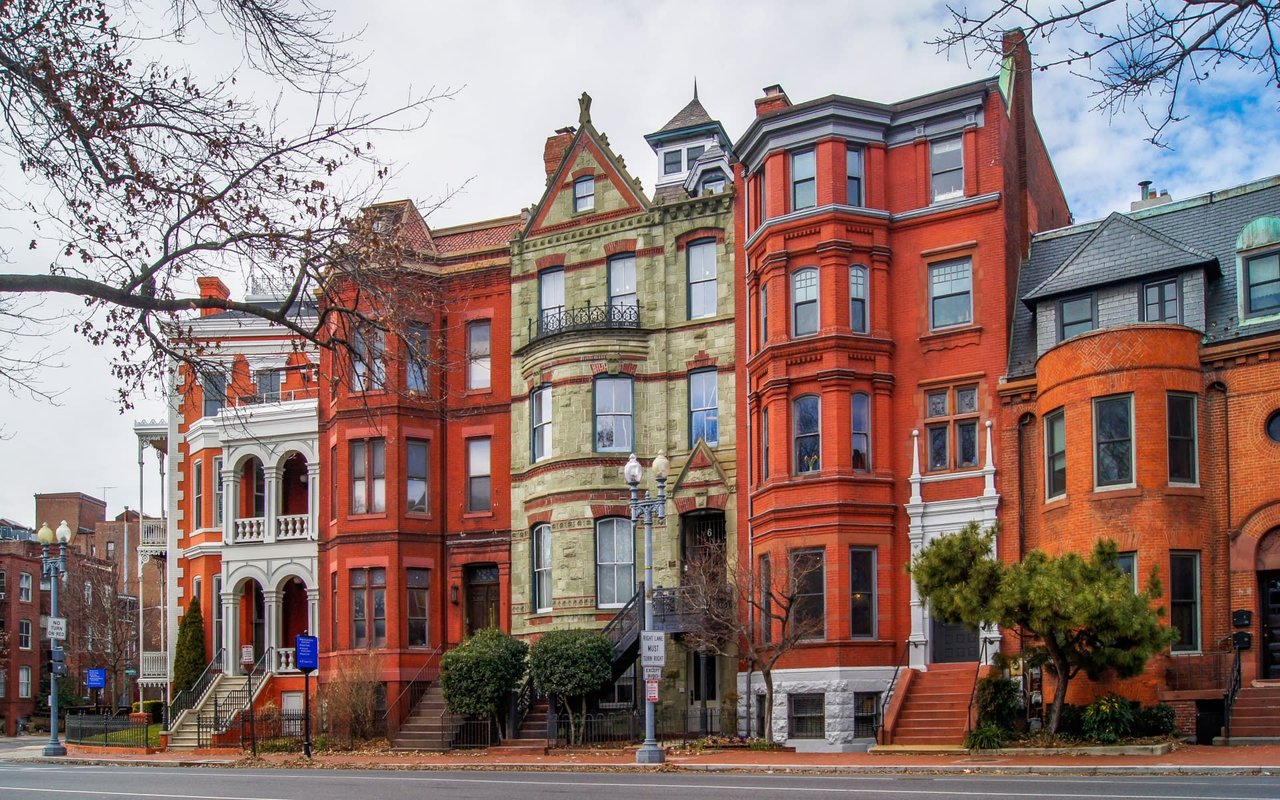
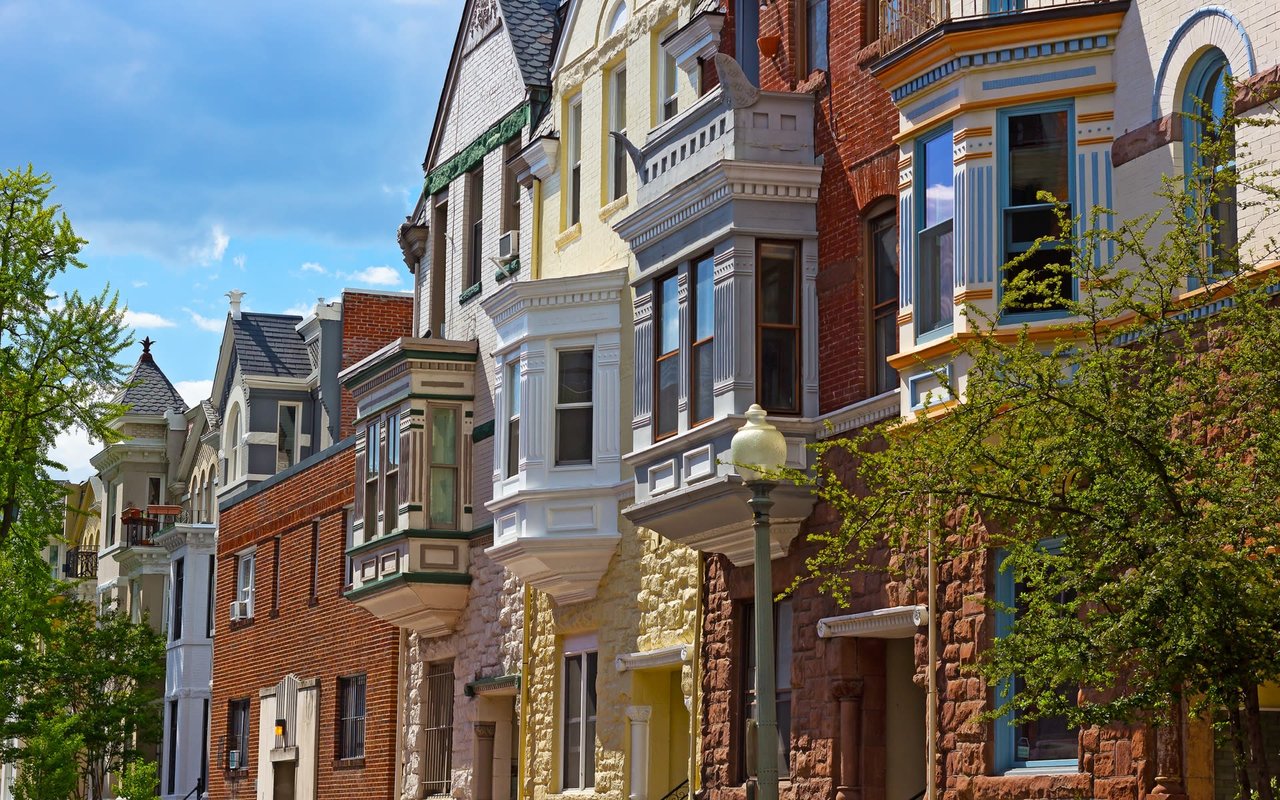
Downtown DC offers a different kind of housing mix. The District lists historic districts that include Downtown, Dupont Circle, Foggy Bottom, and Georgetown, and the city is also adding housing through office-to-residential conversions. The Housing in Downtown program is designed to add thousands of new residents and 8,400 housing units through downtown conversions.
For buyers, that means Downtown DC can offer more architectural variety. You may find boutique buildings, historic settings, conversion projects, and a wider mix of eras and layouts. If you are drawn to layered city character and more distinct building personalities, Downtown DC often delivers more of that experience.
HOA Fees Can Change the Math
Two condos with similar prices can feel very different once monthly fees are added. HOA fees are one of the most important building-by-building comparisons you can make. Zillow notes that HOA fees can range from under $100 per month to more than $1,000, depending on location and amenities.
In Arlington, sample listings show fees that often land in the mid-hundreds. Recent examples include $437 per month, $597 per month, and $817 per month. These fees may include items such as gas, sewer, water, trash, management, and reserve funds.
In Downtown DC, the spread can be broader and often higher. Sample listings show HOA fees of $683, $854, $1,895, and even $2,571 per month. In some full-service buildings, those dues help support amenities such as a 24-hour concierge, fitness center, business center, rooftop terrace, pool, and security.
The key is not to focus only on the number. You should compare what the fee covers, how the building is staffed, what amenities you will actually use, and whether the monthly payment still fits your long-term budget. A lower purchase price with very high dues may not be the better value for you.
How Lifestyle Usually Breaks Down
Arlington is often the stronger fit if you want more inventory, a lower entry point, and a condo search centered on transit corridors with a more consistent development pattern. It can be a smart option if newer construction, predictable building formats, and Metro-access living are high on your list.
Downtown DC is often the stronger fit if you want central-city energy, more neighborhood variety, and a building stock that includes historic districts and conversion properties. It may appeal to you if you value being in the urban core and are comfortable with a wider pricing range and, in some cases, higher monthly dues.
There is also an important middle ground inside DC. Dupont Circle and Foggy Bottom can be more accessible than Georgetown or some amenity-heavy downtown towers. That is why it helps to compare Arlington not only against “Downtown DC” as a whole, but also against the specific DC neighborhoods you are seriously considering.
Questions to Ask Before You Decide
Before you choose Arlington or Downtown DC, it helps to narrow your decision with a few practical questions:
- What monthly payment feels comfortable once HOA fees are included?
- Do you want the broadest possible Metro connectivity or a simpler corridor-based commute?
- Do you prefer newer tower buildings or a wider mix of architectural styles?
- Is your priority price point, centrality, building amenities, or neighborhood character?
- Do you want more active inventory to compare, or are you focused on one specific DC neighborhood?
When you answer those questions honestly, the choice usually becomes much clearer. The right location is not the one with the most buzz. It is the one that supports your budget, commute, and daily routine.
A Practical Way to Choose
If you want a simple shorthand, Arlington often makes the most sense when budget, newer construction, and transit-oriented corridor living matter most. Downtown DC often makes the most sense when central-city living, neighborhood variety, and architectural character matter most.
In a market like Washington, small differences in block, building, and fee structure can have a big impact on your experience and your monthly costs. That is why a side-by-side comparison of actual listings is usually more useful than a broad online search. Seeing the numbers, amenities, and locations in context helps you make a more confident decision.
If you are weighing Arlington against Downtown DC and want clear, no-pressure guidance, Thomas Kolker can help you compare options, refine your search, and move with confidence.
FAQs
How do Arlington condo prices compare with Downtown DC condo prices?
- Arlington currently has a median condo listing price of $400,000, while Downtown DC is at $543,000, though DC prices vary by neighborhood.
How does Arlington condo inventory compare with Downtown DC inventory?
- Arlington currently has 253 condos for sale, compared with 56 in Downtown DC, which gives Arlington buyers more active options to consider.
Which location has better Metro access for condo buyers?
- Downtown DC offers a broader mix of direct rail lines in the core, while Arlington is often a better fit for buyers who want transit-oriented living along established Metro corridors.
Are HOA fees higher in Downtown DC condos?
- They often can be, especially in full-service buildings with extensive amenities, though fees should always be compared building by building based on what they include.
What type of condo buildings are more common in Arlington?
- Arlington often features newer, tower-oriented, mixed-use condo buildings shaped by transit-focused planning, especially in corridors like Rosslyn-Ballston and Crystal City.
What type of condo buildings are more common in Downtown DC?
- Downtown DC offers a wider architectural mix that can include historic-district properties, boutique buildings, and office-to-residential conversion projects.
Is Downtown DC one uniform condo market?
- No. Areas like Dupont Circle, Foggy Bottom, and Georgetown can have very different pricing and building profiles, so it is best to compare neighborhood by neighborhood.