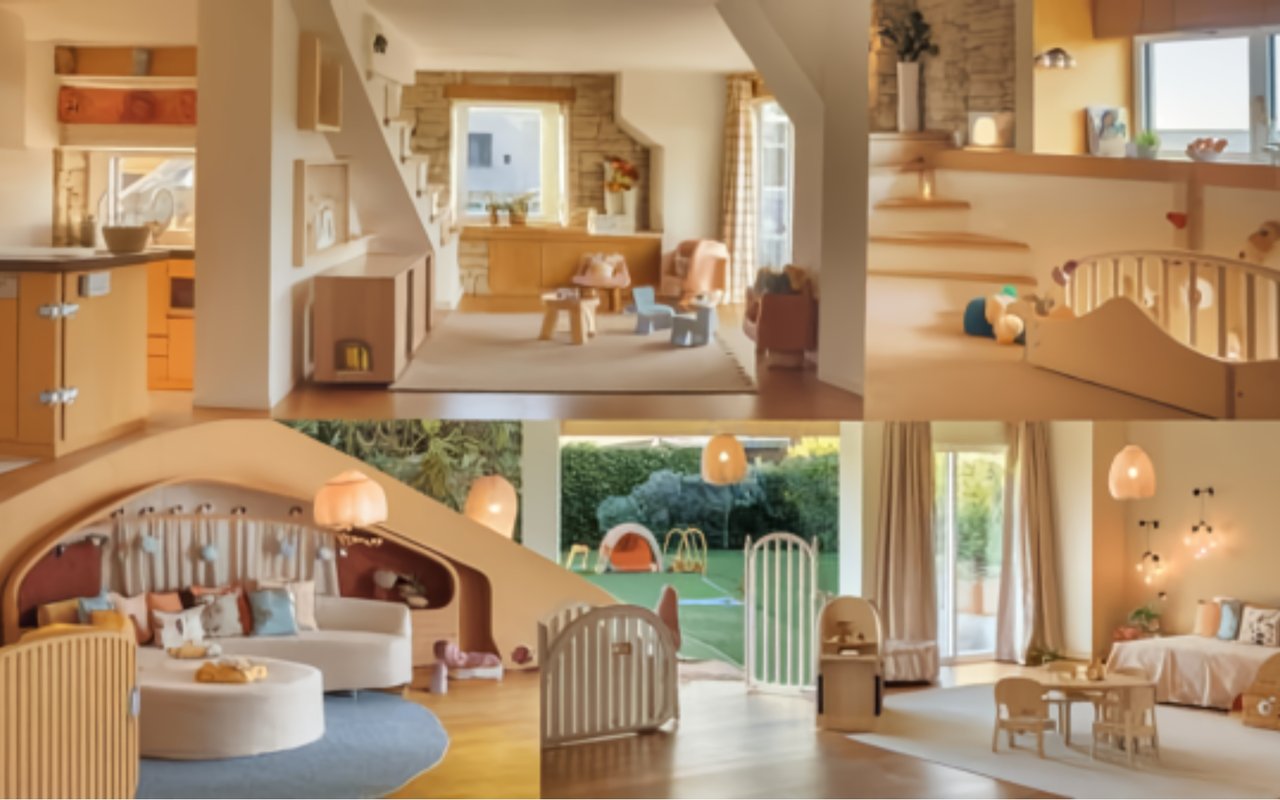
Designing a home that feels safe, calm, and supportive for your children requires intentional choices, but it doesn't have to feel overwhelming. Many parents want a space that encourages independence while still reducing everyday risks. By focusing on how each room functions (and how children naturally move through those spaces), you can create a home that feels comfortable for the whole family.
Childproof the Living Room
The living room often serves as the central hub where children play, climb, and stay entertained. Making it safer starts with securing heavy furniture. Bookshelves, consoles, and televisions should be anchored to prevent tipping. Softening sharp corners with guards helps reduce bumps, and keeping small items off low shelves avoids accidental choking risks.
Electrical cords and outlets are another priority. Cord covers keep wires contained and out of sight. Outlet covers can prevent curious toddlers from touching electrical sockets. With these updates, the living room becomes a more comfortable and low-stress space for shared time and play.
Create a Safe Kitchen Environment
The kitchen draws a lot of attention from young children because there is a lot of activity happening there. Locking lower cabinets and drawers keeps cleaning products, glassware, or knives out of reach. Some families choose to designate one cabinet for safe items, such as plastic bowls or wooden spoons, so that children can explore without risk.
Stovetops and ovens require added care. Placing covers over stove knobs and turning pot handles inward reduces accidental contact. A stove guard can block access to hot surfaces. These updates help keep the kitchen functional for adults but less risky for children who move quickly and often unpredictably.
Ensure Bathroom Safety
Bathrooms have multiple areas where accidents can occur, so a few changes can make a noticeable difference. Toilet locks help prevent injuries, and non-slip mats inside and outside the tub can reduce the risk of falls. Adding faucet covers protects children from bumps or unexpectedly hot water.
Medications and grooming products should be stored in high cabinets or behind locked doors. Adjusting the water heater temperature to a safer setting provides an additional layer of protection. Once everything is organized and secured, bathrooms can become easier for children to use with supervision.
Secure Staircases and Hallways
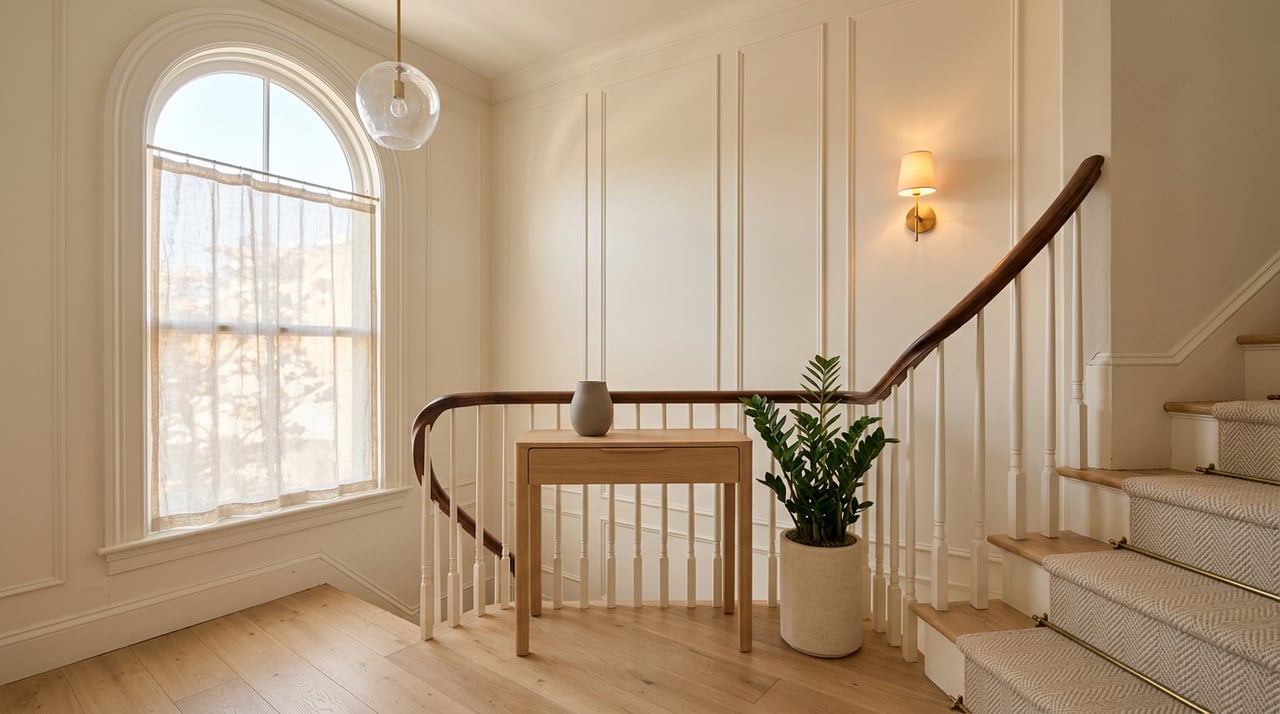
Stairs and long hallways are common areas where slips or falls can occur. Installing sturdy safety gates at the top and bottom of staircases helps prevent unsupervised access. Non-slip stair treads provide extra traction for wood steps, and secure handrails offer children a stable grip as they gain confidence.
Hallways should remain free of clutter, with rugs anchored to prevent shifting. These adjustments provide children with a clear and safe path as they navigate around the home.
Design a Child-Friendly Bedroom
A child’s bedroom should feel safe, calm, and personal. Rounded-edge furniture helps reduce injury risks, and anchoring dressers or bookshelves prevents tipping when children pull drawers open or try to climb. Window guards or stops prevent falls while still allowing ventilation.
Cordless blinds remove a common hazard, and electrical cords should be secured or elevated. Nightlights help children navigate their room after dark without stumbling. With these elements in place, the bedroom becomes a secure space for rest and quiet time.
Create a Safer Outdoor Play Area
Outdoor spaces allow children to move, run, and play more freely, but they also come with hazards that require attention. Start by inspecting swings, slides, or climbing structures to ensure they are well-maintained and age-appropriate. Surfaces beneath play equipment should have cushioning (mulch, sand, or rubber mats) to soften falls.
A well-secured fence outlines boundaries and keeps children contained. Pools or water features should be enclosed with self-latching gates. When these safeguards are in place, the backyard can become a dependable and enjoyable extension of the home.
Manage Household Chemicals and Substances
Cleaning products, automotive fluids, gardening supplies, and certain beauty products can pose serious risks if left within reach. Storing them on high shelves or behind lockable cabinets significantly reduces those hazards. Items that must remain accessible to adults can be transferred to child-resistant packaging when possible.
Teaching older children to identify items that should never be touched helps reinforce safety habits. Keeping hazardous materials secure enables families to maintain a clean and organized home without unnecessary risk.
Fire and Emergency Preparedness
Emergency planning plays a major role in creating a secure home. Smoke detectors should be installed on every level and tested regularly to ensure optimal safety. Families benefit from having a clear fire escape plan and practicing it. Hence, children understand how to exit safely and calmly.
Fire extinguishers should be placed in accessible spots, and older children can learn basic instructions on their use. Carbon monoxide detectors add another layer of safety. Preparing for emergencies ensures the entire family knows what to do in a difficult moment.
Regularly Review and Update Precautions
Children’s needs change as they grow, so the home must evolve with them. A toddler who once explored low cabinets may later begin climbing or reaching higher surfaces. Periodic walkthroughs of each room help parents identify new hazards and adjust accordingly.
New child-safety products and technologies emerge regularly, offering simple solutions to address emerging challenges. Staying aware of these options can make maintaining a safe home easier over time.
Build a Home That Supports Your Family
If you’re looking for guidance on finding a home that matches your family’s needs (or want support in assessing safety features during your search), Thomas Kolker is ready to help you move forward with clarity and confidence.
Interested in Capitol Hill real estate? Contact us today and we’ll be happy to help you find your dream Capitol Hill home!