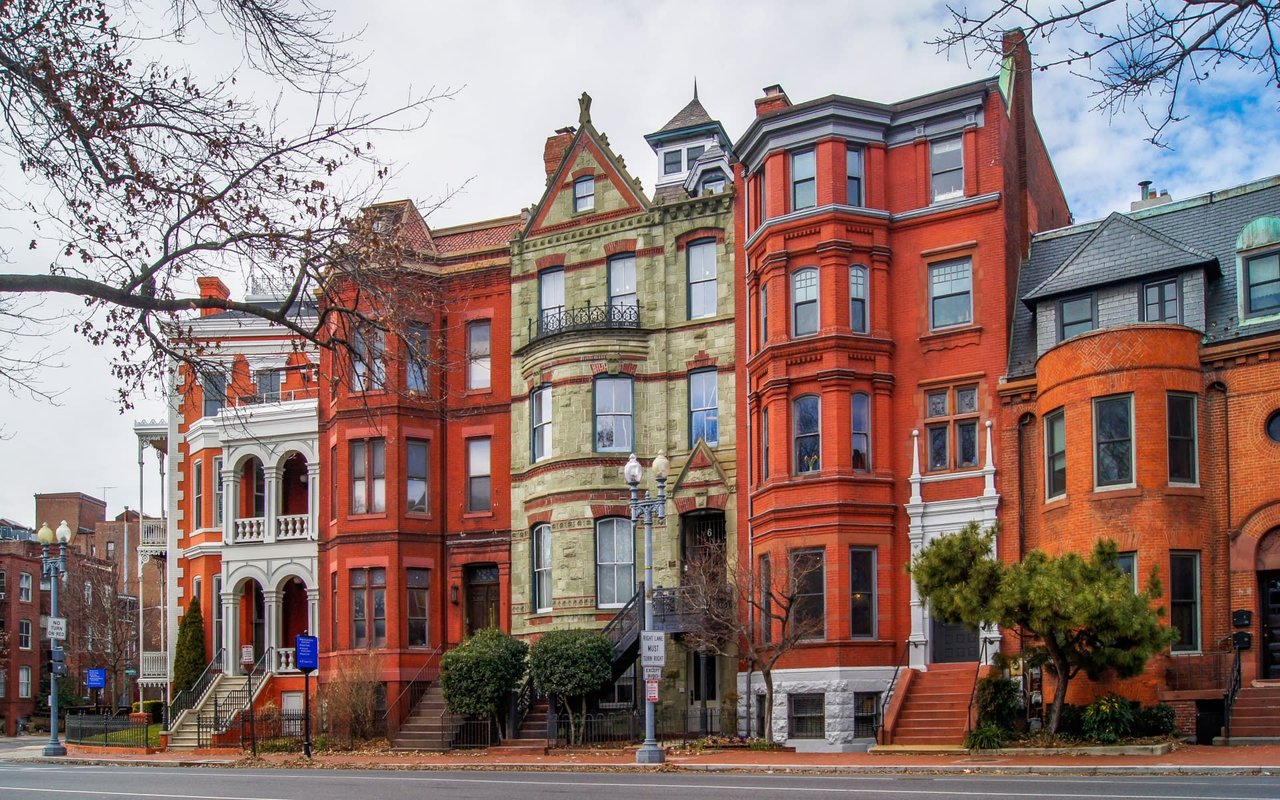
Selling a home in Capitol Hill requires more than simply listing the property. The neighborhood’s historic architecture, walkable layout, and distinct rowhome style attract buyers who scrutinize the presentation closely. Thoughtful staging can highlight the character of a Capitol Hill home while helping buyers imagine their own lives there.
With a clear staging plan tailored to the area’s expectations, sellers can enhance appeal, encourage strong offers, and streamline time on the market. Strategic Capitol Hill home staging emphasizes space, architectural detail, and the neighborhood experience.
Highlight Historic Features Without Overwhelm
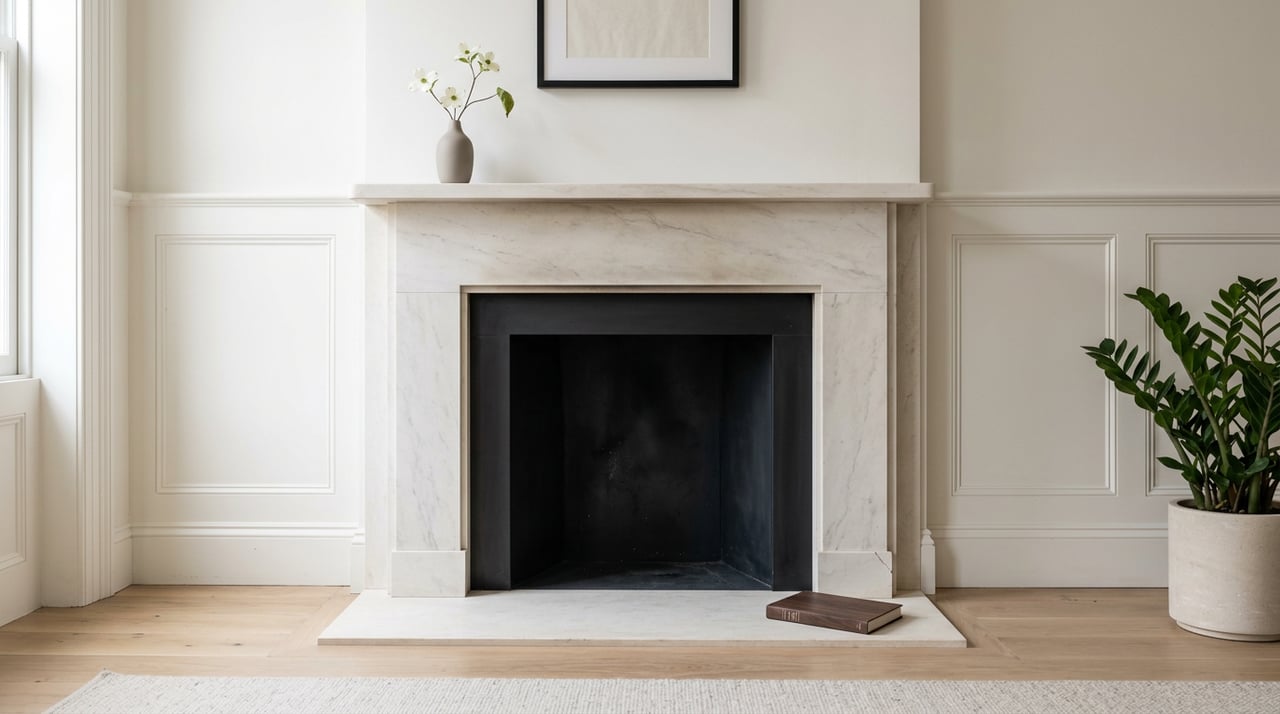
Capitol Hill homes often feature original hardwood floors, exposed brick, decorative fireplaces, and traditional millwork. Buyers value these elements, so staging should spotlight them rather than compete for attention. Simple area rugs, lightly scaled furniture, and subtle décor help keep focus on the home’s craftsmanship.
For example, a fireplace mantel in a Lincoln Park row home might be styled with only two or three intentional pieces, rather than dense decorative arrangements. Exposing as much natural woodwork as possible helps preserve the sense of history that distinguishes Capitol Hill homes.
Maximize Narrow Room Layouts Common in Rowhomes
Many Capitol Hill residences have long, narrow living areas, typical of historic East Coast row homes. Staging these spaces requires careful scale. A slim-profile sofa, narrow console table, and compact accent chairs help define the room without crowding it. Angled furniture may disrupt flow, so pieces should sit parallel to the room’s lines.
Floating furniture a few inches off the wall can also create the illusion of width. This approach provides buyers with a more comfortable sense of circulation and demonstrates how narrow floorplans can still accommodate modern living.
Create Impact with Natural Light and Window Presentation
Buyers consistently gravitate toward bright, airy interiors. Capitol Hill properties often feature tall windows, transoms, or bay projections, and staging should be designed to accentuate these architectural elements. Lightweight curtains that frame rather than block windows help maximize the amount of incoming light. Clean windows produce a noticeable improvement in how the space reads.
In older homes near Eastern Market or Stanton Park, restoring shutters to an open position can also signal architectural refinement. Staging professionals often remove visually heavy blinds or dark treatments to allow buyers to appreciate the elevation and depth of each room.
Clarify Flexible Spaces for Modern Buyers
Buyers browsing Capitol Hill inventory often want to understand how a home can accommodate hybrid work or multigenerational living. Staging flexible rooms brings clarity. A small second-floor bedroom might be staged as a study with a simple desk and chair. A lower-level space in a renovated basement could be presented as a media area or fitness nook.
The goal is not to dictate use but to demonstrate potential. Homes with multiple levels, such as those near H Street or Maryland Avenue, benefit even more when staging helps define zones that may otherwise feel disconnected.
Simplify Décor to Let Architecture Shine
Capitol Hill homes often speak for themselves architecturally, so décor should serve as support rather than a focal point. Neutral palettes work well because they do not distract from original trim or brick accent walls. Textiles such as throws or pillows help soften older rooms without overwhelming them. In dining areas, a single centerpiece on a well-proportioned table is often enough.
Sellers can also reduce wall décor to highlight vertical space, which is especially effective in the taller rowhomes near East Capitol Street. When the décor feels balanced, buyers naturally direct attention to the structure itself.
Showcase Outdoor Living in Compact Urban Spaces
Even small outdoor spaces carry significant value in Capitol Hill. Many homes include rear patios, roof decks, or modest gardens. Staging should showcase these areas as livable extensions of the interior. A café table and two chairs can transform a patio into a breakfast spot. A planter arrangement or a simple bench helps define a garden's potential.
If the property includes a roof deck overlooking the neighborhood’s tree canopy, staging might include clean outdoor cushions and neutral décor. Buyers respond strongly to well-defined exterior areas because outdoor access is limited in many urban markets.
Prepare Kitchens and Baths to Meet Buyer Expectations
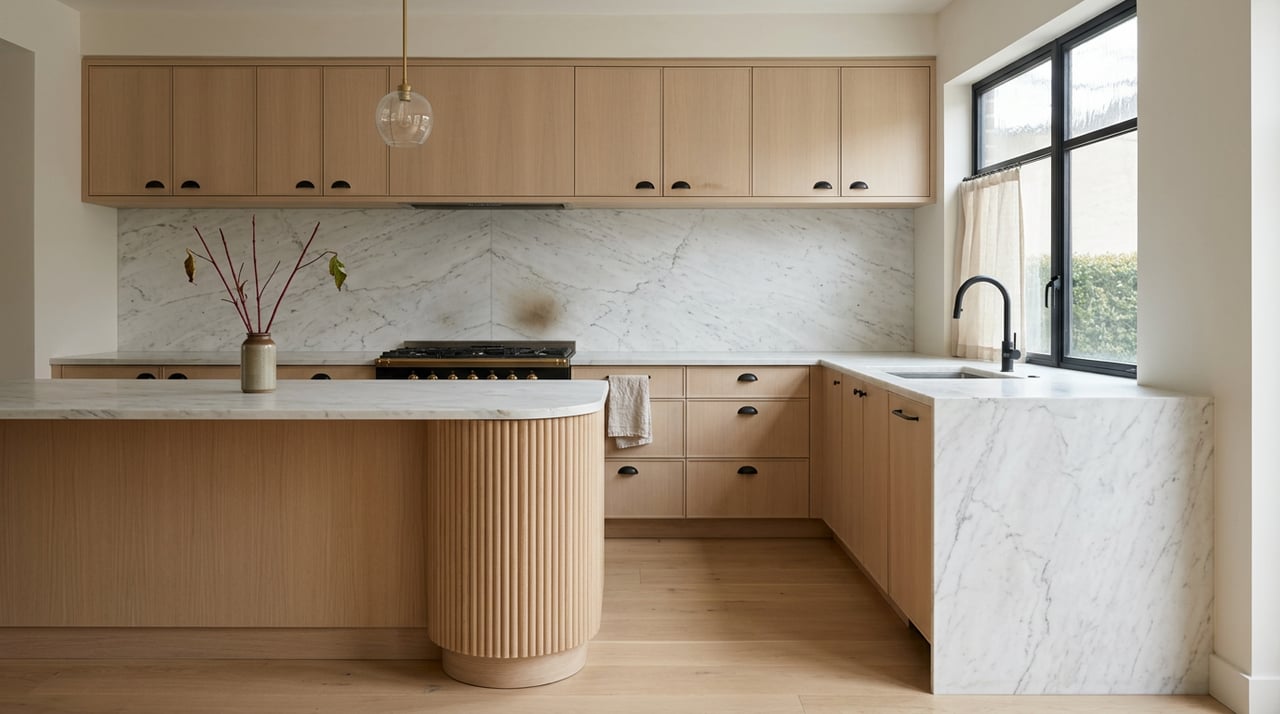
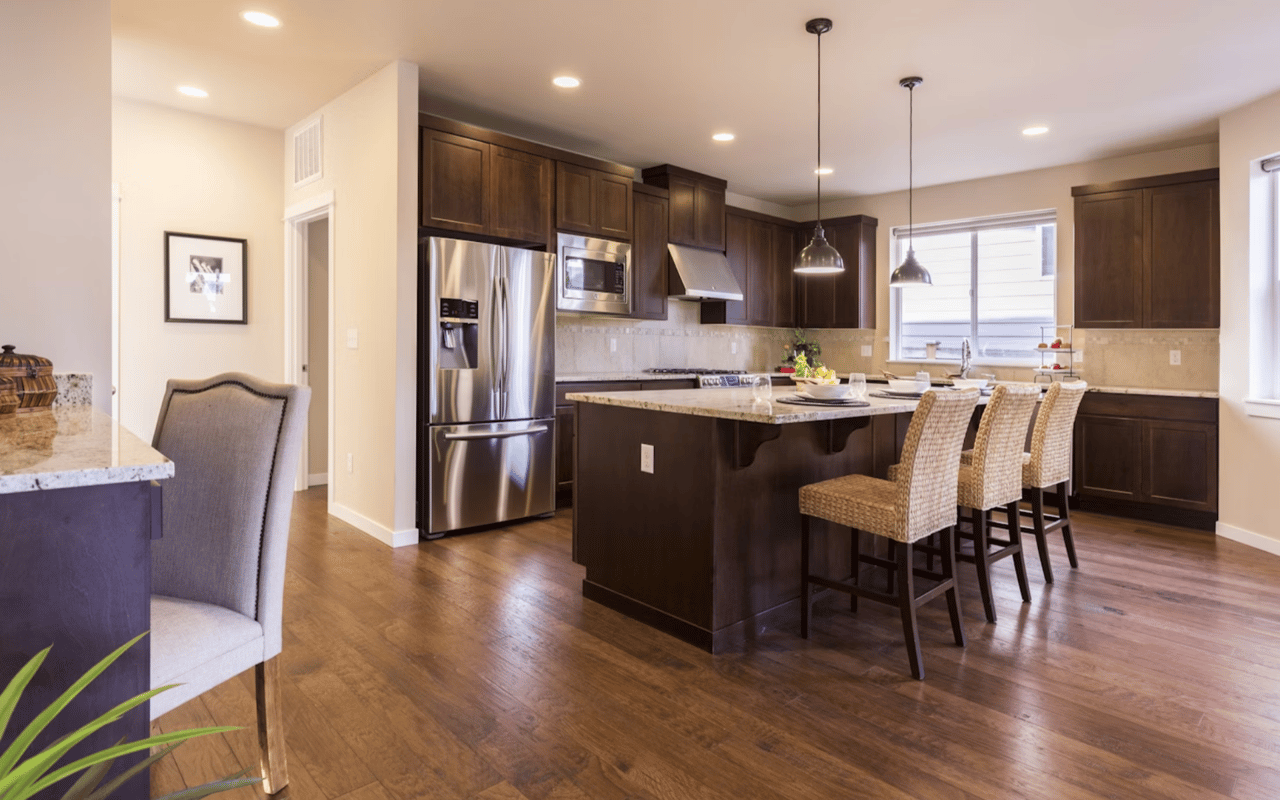
Capitol Hill kitchens range from historically compact to fully renovated open layouts. Regardless of size, staging benefits greatly from a minimalist approach. Clear countertops show buyers the amount of prep space available. A bowl of fresh fruit or a small arrangement near the sink provides a polished look without excess.
Bathrooms should appear as bright and spa-like as possible. Fresh towels, neutral-colored mats, and lightly scented soap can create a clean and inviting environment. Staging in these rooms communicates meticulous care, which is a priority for buyers evaluating older properties.
Streamline Entryways to Establish the Right First Impression
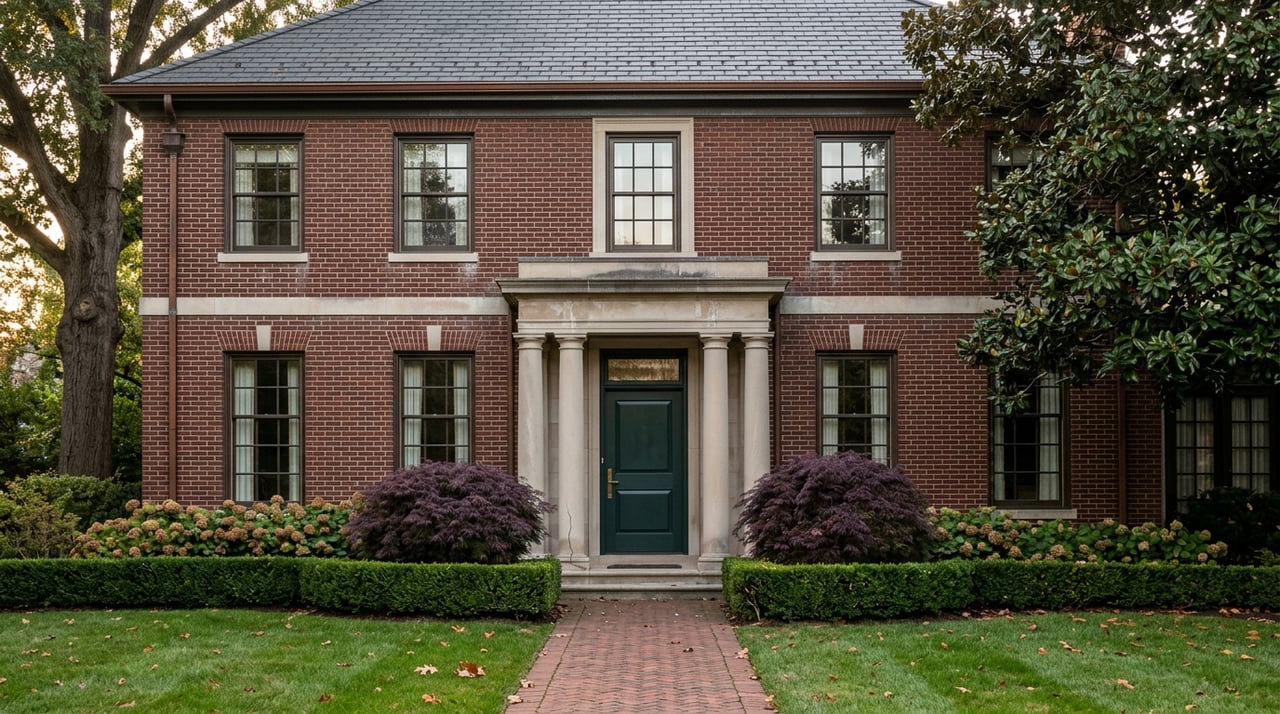
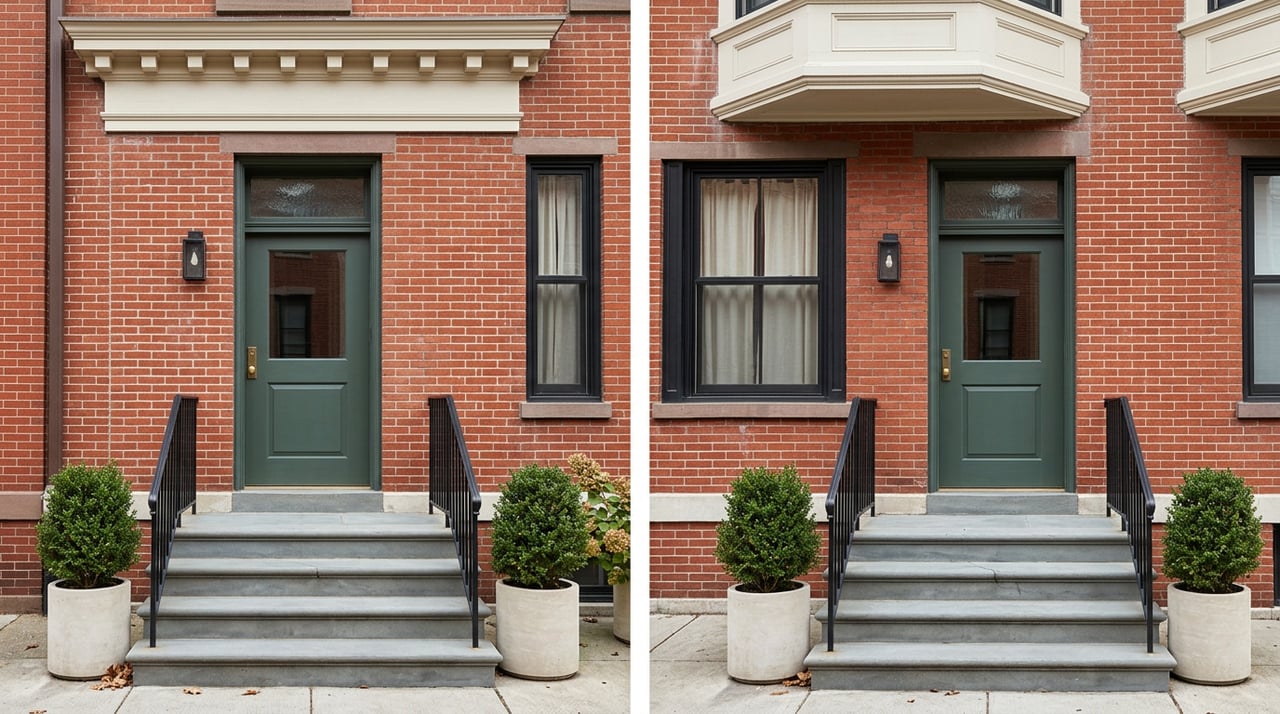
Entry vestibules in Capitol Hill rowhomes often include original tile, restored doors, or transom windows. These features deserve attention because they are the buyer’s first impression. A clean entry table, small artwork, or a simple runner can create an immediate sense of order and elegance. Removing coats, shoes, and personal items helps the entry feel spacious.
For homes with staircases immediately inside the door, staging should emphasize vertical openness by keeping walls uncluttered. A well-prepared entry signals preparedness throughout the entire house.
Enhance Flow Between Levels in Multi-story Homes
Many Capitol Hill properties include three or more finished levels. Staging should create continuity, allowing buyers to experience the home as a cohesive whole. A consistent color palette across floors helps unify the design. Subtle repetition of textures (such as woven baskets or light wood accents) also reinforces flow.
Clear pathways between staircases and rooms help buyers understand circulation. When each level feels intentional, the home presents as more functional, especially in layouts that were modernized from original 19th-century structures.
Use Strategic Editing to Make the Home Feel Larger
Buyers in dense urban markets pay close attention to spaciousness. Editing belongings is one of the most effective ways to enhance perceived size. Removing excess seating, oversized rugs, or bulky storage pieces creates cleaner sightlines. Closets should contain enough items to demonstrate functionality while still appearing spacious.
Basement storage areas, which are common in older Capitol Hill homes, should be partially cleared so buyers can understand ceiling height and layout potential. This clarity helps buyers interpret how their own possessions might fit into the space.
Get Your Capitol Hill Home Ready for the Market
Well-executed Capitol Hill home staging helps your property stand out in a competitive neighborhood. Attention to architectural detail, careful furniture selection, and thoughtful use of light can enhance the way buyers experience each room. Sellers who want tailored staging guidance can turn to Thomas Kolker, who understands the expectations of buyers searching in this historic market.
Interested in Capitol Hill real estate? Contact us today and we’ll be happy to help you find your dream Capitol Hill home!