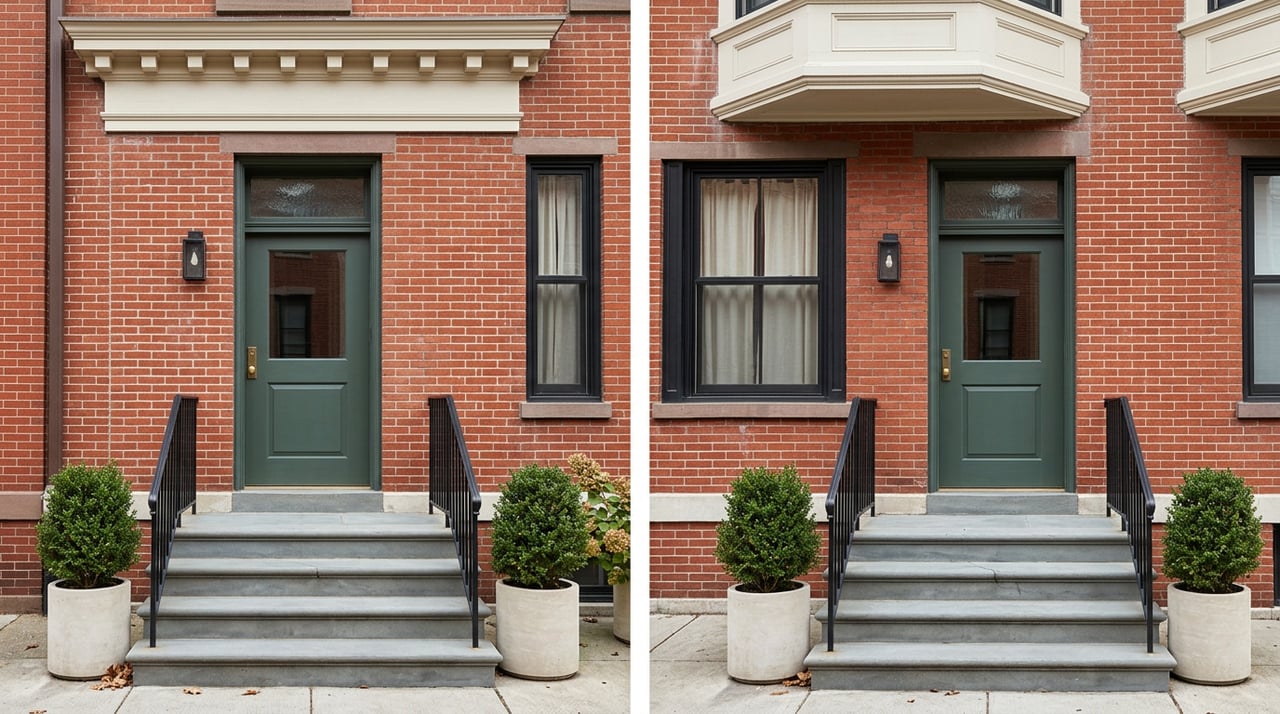
Capitol Hill stands apart from many urban real estate markets, shaped directly and indirectly by political activity, policy changes, and the rhythms of government. Buyers and sellers in this historic Washington, D.C. neighborhood encounter a landscape influenced by legislative schedules, federal hiring patterns, and long-standing architectural protections.
Those who explore each layer of Capitol Hill market dynamics gain insight into what drives value and how to plan their next move.
How Government Employment Trends Influence Demand
Capitol Hill experiences steady interest from federal employees, political staffers, consultants, and journalists. Hiring cycles at federal agencies often create predictable waves of demand. For example, shifts in executive leadership after elections can lead to staff turnover and relocation, increasing interest in homes within walking distance of the Capitol complex.
Many professionals seek short commute times and prefer neighborhoods like Eastern Market, Stanton Park, and Lincoln Park because they offer proximity to congressional offices. This steady influx of employees helps maintain a strong buyer pool throughout the year.
The Effect of Legislative Calendars on Market Activity
Congressional recesses have long influenced the pace of local real estate transactions. Buyers connected to government work often schedule moves around legislative breaks, resulting in notable seasonal patterns of activity. During extended recesses, more buyers have the flexibility to tour homes, and sellers experience increased showing volume.
Conversely, when Congress is in session, demand may become more concentrated after work hours or during limited breaks. These scheduling patterns are unique to Capitol Hill and contribute to the market's distinctive rhythms.
Understanding How Policy Decisions Shape Local Real Estate
Policy decisions can influence neighborhood growth, zoning adjustments, and long-term planning. Infrastructure investments, preservation regulations, and transit updates often result from collaboration between federal and local governments. For example, improvements to Union Station or upgrades to nearby Metro lines can increase the appeal of adjacent residential blocks.
Buyers who keep an eye on these developments can better anticipate future interest in specific corridors. Policy-focused shifts do not always produce immediate changes, yet they often boost confidence in long-term stability.
Historic Preservation and Its Impact on Property Values
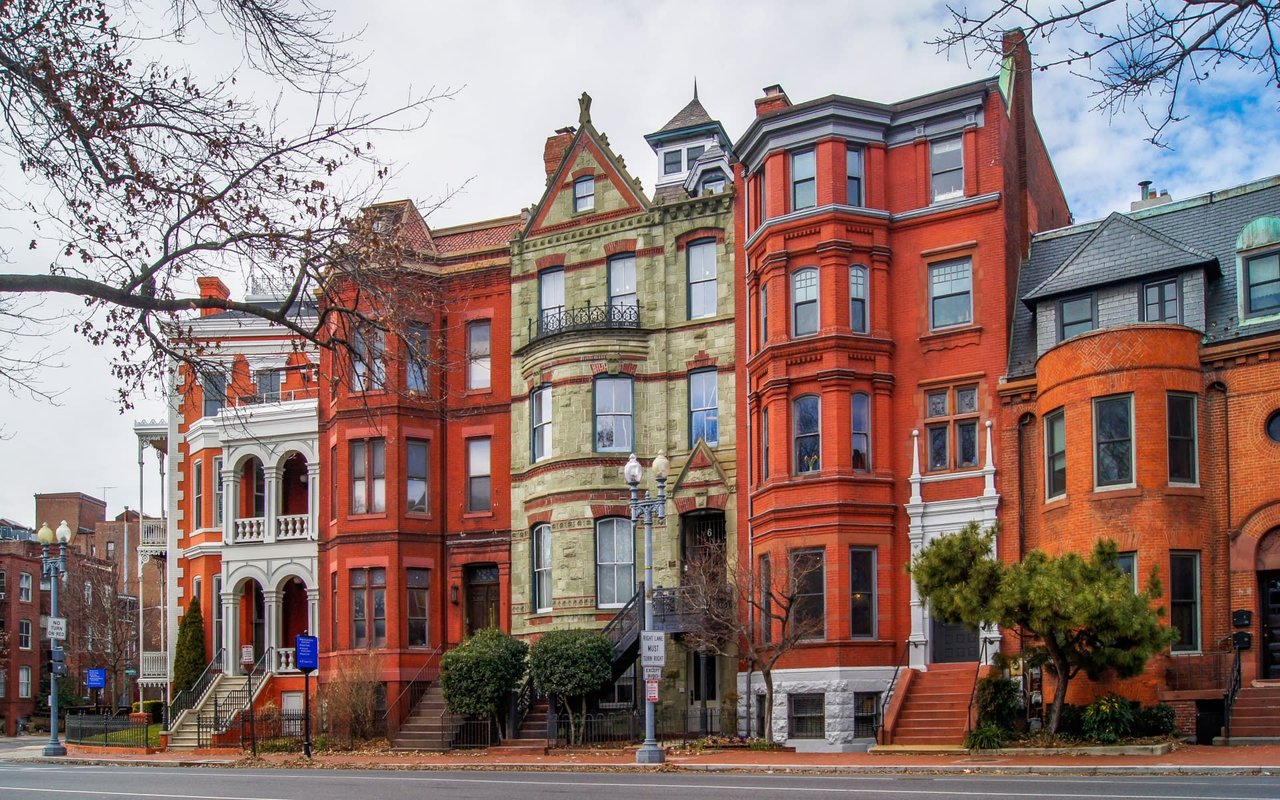
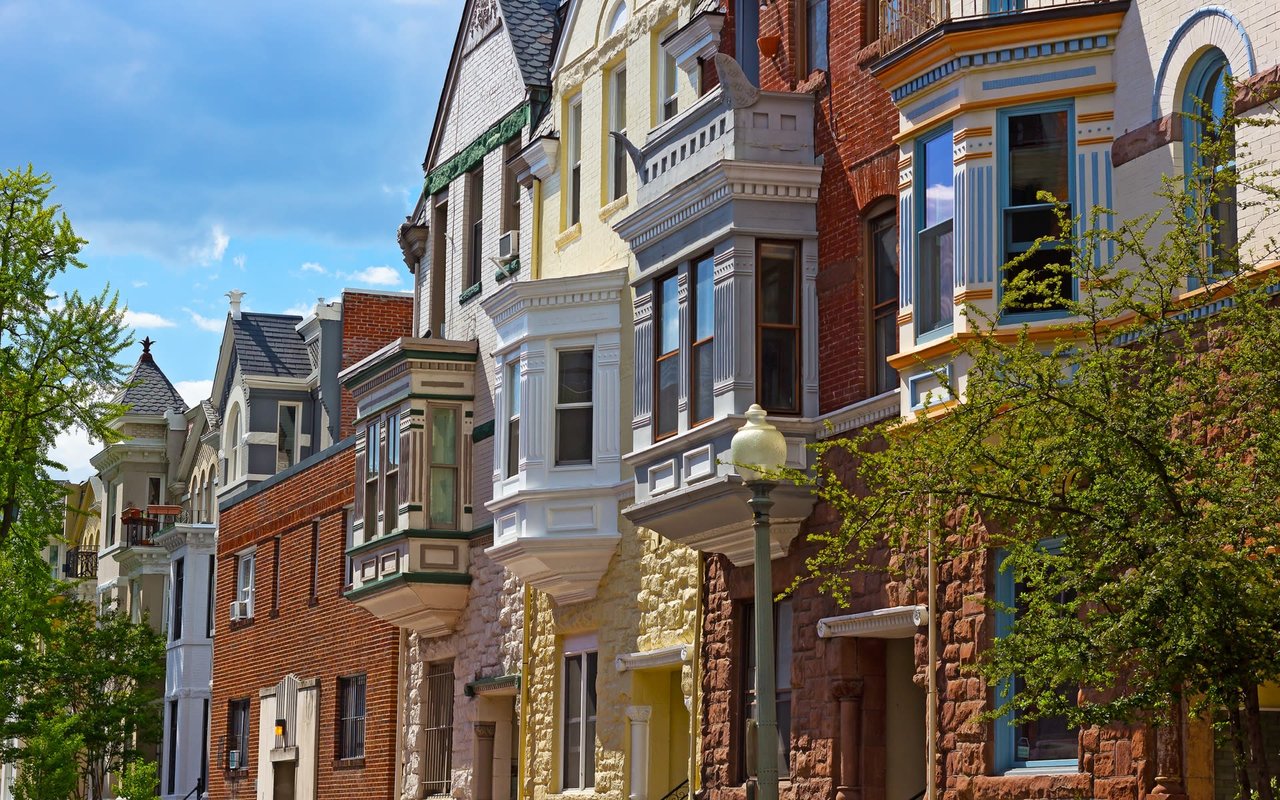
Capitol Hill is home to one of the nation’s largest historic districts, which influences construction, renovation, and resale. Buyers encounter rowhomes with preserved façades, original brickwork, and defined design standards. Restrictions on exterior changes help protect the neighborhood’s character, which contributes to its enduring appeal.
These guidelines also shape how homeowners approach renovations, often requiring approval processes that influence timelines and budgets. Despite these requirements, preserved architecture remains one of Capitol Hill’s strongest assets, consistently supporting property appreciation.
The Role of Walkability and Transit Access
The neighborhood’s layout promotes walkability, supported by pocket parks, retail corridors, and easy Metro access. Buyers working on or near the Hill often prioritize quick access to stations such as Capitol South, Eastern Market, and Union Station. This amenity keeps demand strong, particularly for homes within a short walk of transit entrances.
Restaurants, coffee shops, weekend markets, and cultural institutions contribute to a compact lifestyle that appeals to professionals with long or unpredictable work schedules. These daily conveniences enhance property desirability and influence pricing.
Investor Interest and Rental Dynamics
Capitol Hill attracts strong investor interest due to its reliable rental demand. Government staffers, interns, visiting academics, and contractors frequently seek housing for defined time periods. Apartments near Eastern Market or in converted rowhomes often lease quickly due to consistent tenant turnover tied to federal contracts or short-term assignments.
Investors value this stability and look closely at properties that offer strong rental projections. The neighborhood’s inventory of multi-unit row homes and English basement apartments broadens opportunities for investors seeking long-term returns.
How Neighborhood Character Shapes Buyer Preferences
Each pocket of Capitol Hill carries a distinct identity. Buyers drawn to the energy near Eastern Market enjoy bustling streets, active restaurants, and weekend vendors. Those seeking quieter surroundings favor the blocks near Lincoln Park or Stanton Park, where tree-lined streets and historic homes create a calmer environment.
Proximity to cultural institutions, such as the Folger Shakespeare Library or the Library of Congress, also plays a role in shaping demand. Understanding how these micro-neighborhoods function helps buyers align their preferences with available inventory.
The Long-Term Appeal of Stability and Prestige
Capitol Hill’s proximity to the nation’s political center contributes to a sense of long-term stability. Homes in this area benefit from consistent interest across different market cycles because the neighborhood’s value is tied to more than aesthetics or amenities.
Its significance as a political hub ensures steady foot traffic, ongoing federal investment, and continuous residential demand. This combination helps insulate the neighborhood from volatility commonly seen in markets dependent on corporate expansion or tourism.
Why Competition Intensifies for Certain Property Types
While the neighborhood offers a range of properties, some segments experience stronger competition. Renovated rowhomes with modern interiors and preserved historic details often attract multiple interested buyers. Properties near parks or Metro stations also see heightened demand.
Condominiums appeal to first-time buyers and downsizers who want a low-maintenance lifestyle within the neighborhood’s walkable footprint. These distinct buyer segments fuel ongoing interest in limited inventory, contributing to the broader movement of Capitol Hill market dynamics.
Move Forward with Confidence in Capitol Hill
Understanding Capitol Hill market dynamics gives buyers and sellers the clarity needed to navigate one of Washington, D.C.’s most distinctive neighborhoods. Those who want tailored guidance can rely on Thomas Kolker for insight, strategy, and a deep understanding of local trends.
Interested in Capitol Hill real estate? Contact us today and we’ll be happy to help you find your dream Capitol Hill home!