If you’re drawn to McLean luxury, you’ve probably noticed something quickly: not every high-end home here offers the same lifestyle. Some properties are all about acreage, privacy, and a tucked-away setting, while others trade a bit of seclusion for easier access to downtown McLean, Tysons, and major commuter routes. If you want to understand how McLean’s luxury home styles and enclaves really differ, this guide will help you sort through the options and focus on what fits you best. Let’s dive in.
Why McLean’s Luxury Market Feels Distinct
McLean’s luxury market is shaped by land use as much as architecture. Fairfax County says single-family residences occupy nearly 70% of developed land in the planning district, while most multi-family, commercial, and industrial activity is concentrated in Tysons, the McLean Community Business Center, or a few neighborhood shopping areas.
That matters because McLean is largely built out and remains low density in many areas. Along the Potomac-side low-density area, the pattern is generally large-lot single-family homes, while the Tysons side introduces a more urban, mixed-use environment tied to transit and commercial services.
For you as a buyer, that means luxury in McLean is not one single product. It ranges from estate-like properties with substantial land and natural buffers to established close-in neighborhoods with traditional detached homes and stronger day-to-day convenience.
Main Luxury Home Styles in McLean
Estate-Style Homes
In McLean, estate-style living is often defined less by one architectural label and more by lot size, setbacks, tree cover, and open space. These homes tend to sit in enclaves where the land itself is a central part of the appeal.
Langley Forest is one of the clearest examples. County records show parcels there that include a 2-acre single-family lot with a home built in 2016, as well as another parcel just under an acre, which reflects the larger-lot character many buyers associate with luxury estate settings.
Blakely Manor also stands out for land-rich ownership patterns, including a 2.5-acre parcel with a private open-space designation. Salona Village offers a different version of that same appeal, with about 200 privately owned homes developed around the historic Salona property and notable open meadow space facing Dolley Madison Boulevard.
Langley Fork adds a strong historic landscape element to the estate conversation. Fairfax County describes it as the most intact rural crossroads village remaining in the county, with detached buildings on large lots and a dense natural setting around Georgetown Pike and Chain Bridge Road.
Newer Custom Homes and Rebuilds
Because McLean has very little vacant land, newer luxury inventory usually shows up through infill construction or redevelopment rather than through large new subdivisions. Fairfax County’s planning framework makes that clear, noting that the district is already built out and is not expected to change substantially.
In practical terms, that means newer homes in McLean often appear on parcel-specific opportunities inside established neighborhoods. You may see a recently built custom home on an existing homesite, or a substantial rebuild that updates the scale, layout, and finishes while keeping the address within a mature streetscape.
Current examples support that pattern. Langley Forest includes an approved infill lot-grading plan tied to new improvements, and Broyhill McLean Estates includes a 2024-built home on a 10,519-square-foot lot inside a neighborhood originally developed in the 1950s.
If you want newer construction in McLean, it often helps to think in terms of selective opportunities rather than broad inventory categories. The appeal is that you may get newer design and systems while still living in an established part of the community.
Classic Colonials and Traditional Detached Homes
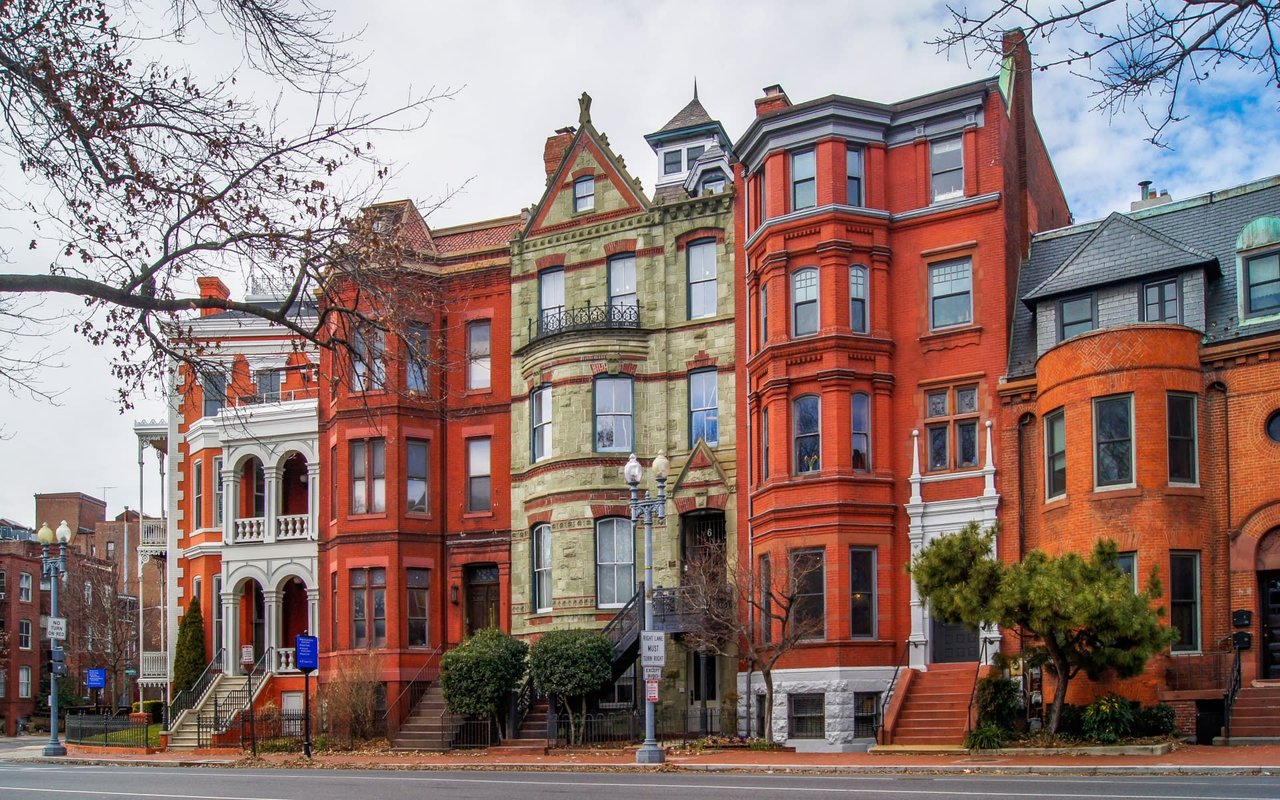
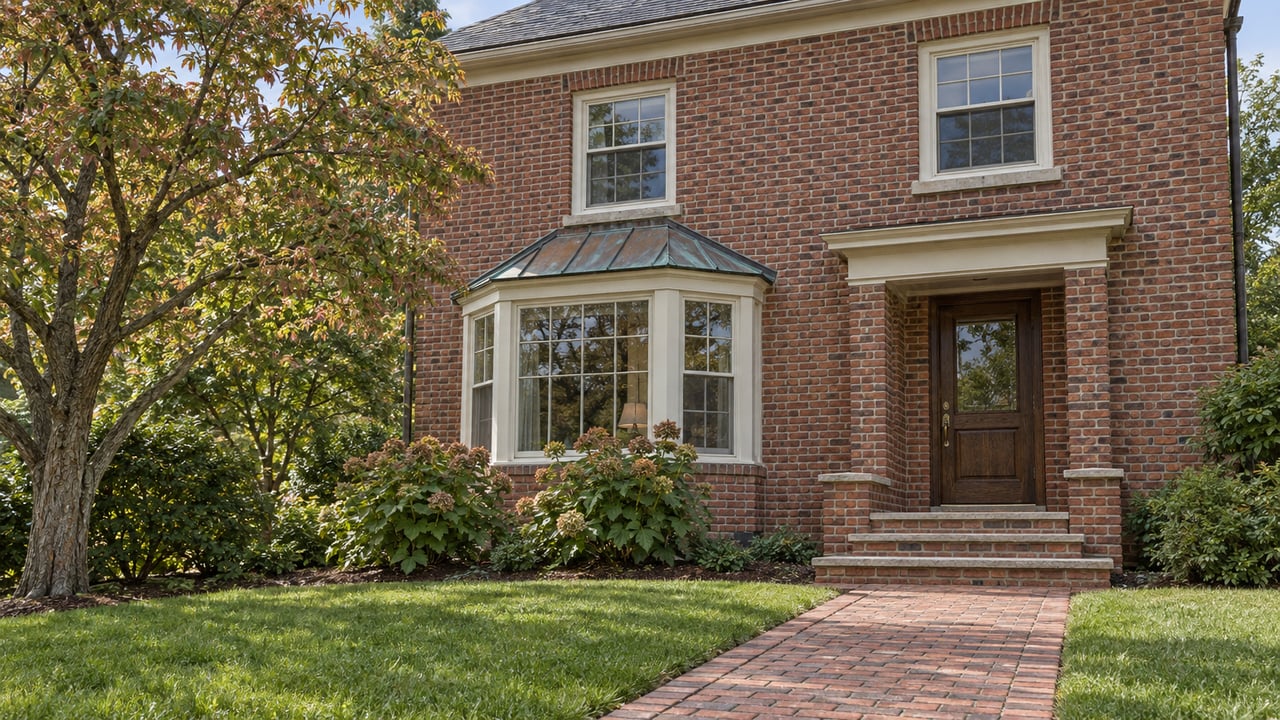
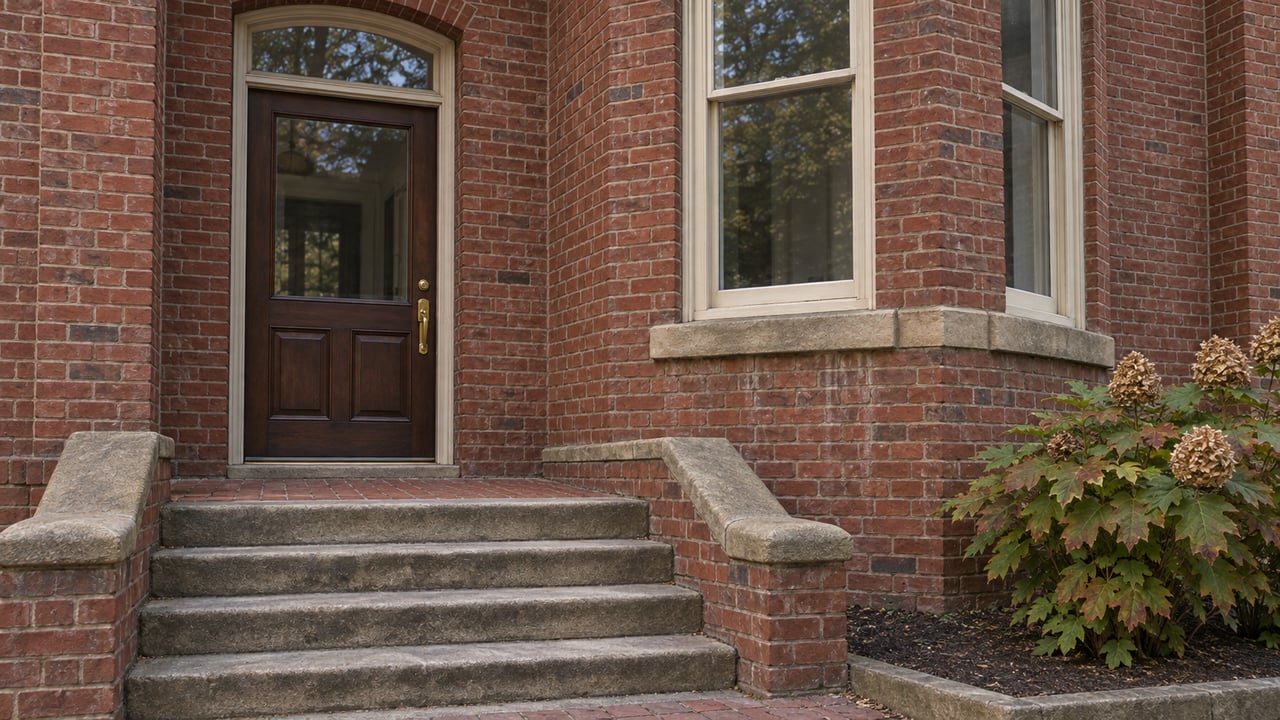
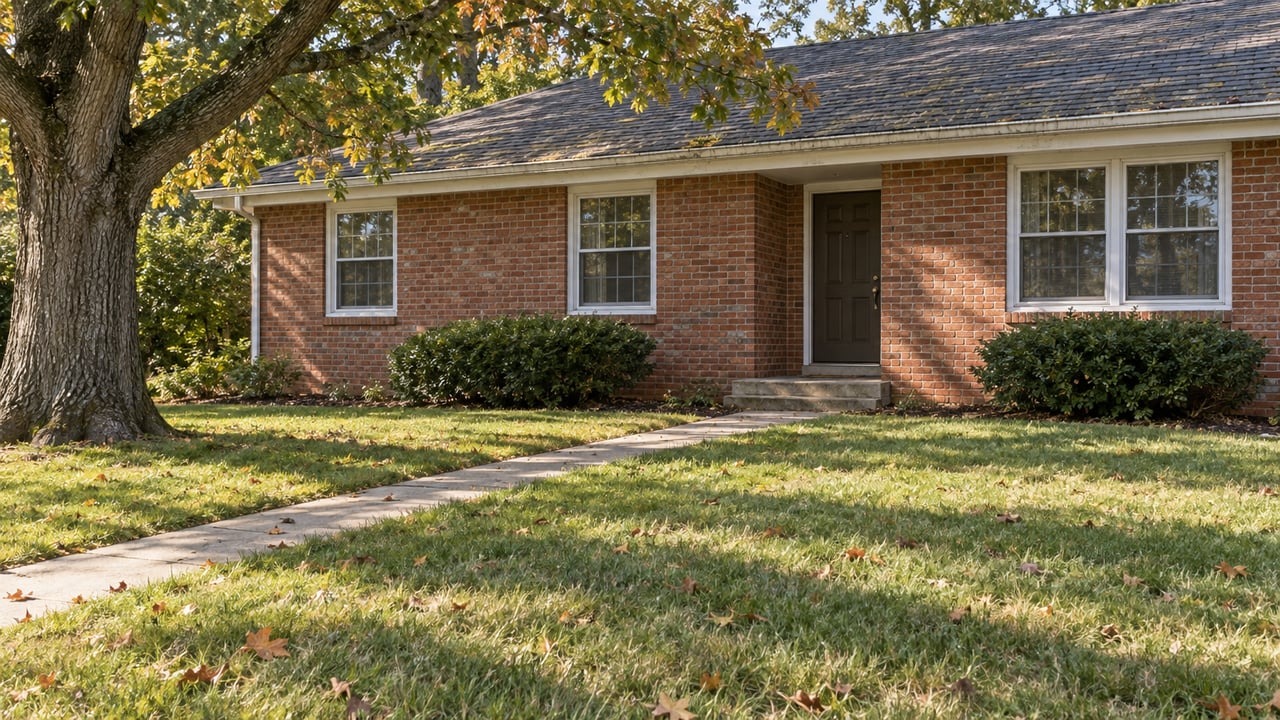
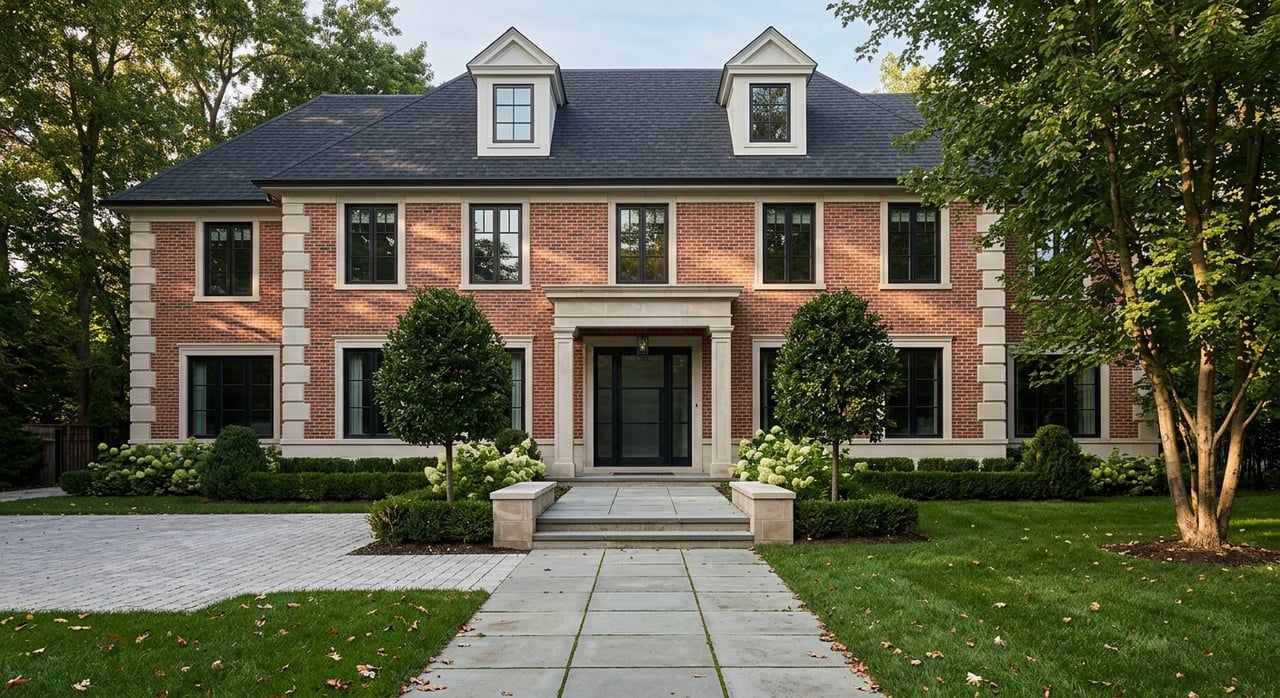
For many buyers, McLean luxury still begins with the image of a traditional detached home on a leafy street. That style is most closely tied to neighborhoods like McLean Hamlet, Chesterbrook Woods, and Broyhill McLean Estates.
McLean Hamlet includes 507 homes built between 1965 and 1995 on lots ranging from about one-third to two-thirds of an acre. The neighborhood association notes broad roads and no through traffic, which helps explain why the area often appeals to buyers looking for an established residential setting.
Broyhill McLean Estates traces back to the late 1950s and was planned for 250 home sites on curving streets and cul-de-sacs. Average lot sizes there exceed 12,000 square feet, and the neighborhood’s location places it near downtown McLean and several local parks and civic amenities.
Chesterbrook Woods reflects a similar older McLean pattern. County parcel records show homes from the early and mid-1950s on lots of roughly 15,000 to 20,900 square feet, reinforcing the mature, detached-home character that many people picture when they think of classic McLean.
McLean Enclaves by Lifestyle
Privacy-Focused Enclaves
If your priority is space, quiet, and a more retreat-like setting, McLean’s privacy-oriented enclaves are the most relevant places to watch. Langley Forest, Langley Fork, Salona Village, and Blakely Manor are among the clearest examples.
These areas tend to offer larger lots, more natural landscape buffers, and a stronger sense of separation from commercial activity. In some cases, that comes from acre-plus parcels. In others, it comes from historic open space, private open-space designations, or the way homes are sited within a wooded setting.
The tradeoff is usually convenience. You may gain more land and a more secluded feel, but errands, retail, and commuter routes can be a bit less immediate than in closer-in neighborhoods.
Close-In Enclaves
If you want a balance of neighborhood character and everyday access, the close-in luxury enclaves often make the most sense. Broyhill McLean Estates, McLean Hamlet, and Chesterbrook Woods fit this profile well.
These neighborhoods remain primarily residential and established, but they sit closer to downtown McLean, the McLean Community Business Center, and the road network that supports commuting across Northern Virginia and into Washington. That can make a meaningful difference in your day-to-day routine.
Broyhill McLean Estates is especially notable for this balance. The neighborhood association describes it as close in, with access to major transportation arteries and walkability to downtown McLean, local parks, the McLean Farmers Market, McLean Central Park, and other civic amenities.
Urban-Edge Luxury Near Tysons
One end of the McLean luxury conversation is more urban than suburban. Fairfax County describes Tysons as a mixed-use urban center, and it includes four Silver Line stations, including McLean at Route 123 and Scotts Crossing.
If you value transit access, a walkable mixed-use setting, and proximity to retail and employment centers, this side of the market can feel very different from the large-lot Potomac-side enclaves. It is still part of the broader McLean luxury picture, but the lifestyle priorities are not the same.
For some buyers, that contrast is the key decision point. The question is not just what the house looks like, but whether you want land and separation or a more connected, urban-style daily experience.
What Roads and Access Points Matter Most
In McLean, location decisions often come down to access. The main routes that shape daily movement include I-495, Route 123, Route 7, Georgetown Pike, and the Dulles Access and Dulles Toll Road corridor.
Those roads matter whether you commute, travel often, or simply want easier connections to Tysons, downtown McLean, or the broader DC region. Chain Bridge Road and Old Dominion Drive also matter because they anchor the downtown McLean core and the McLean Community Business Center.
If you are comparing enclaves, it helps to think beyond distance on a map. A neighborhood’s feel may be private and tucked away, but your experience of it will also depend on how easily you can reach the roads and destinations you use most.
How to Match the Right Enclave to Your Priorities
The best McLean enclave for you depends on which tradeoffs you are happiest making. In broad terms, neighborhoods with the most land and privacy usually offer less walkability to retail and services, while neighborhoods closer to the Community Business Center or Tysons often come with smaller lots and less seclusion.
A simple way to narrow your search is to start with your top priority:
- Privacy and lot size: Focus on Langley Forest, Langley Fork, Salona Village, and Blakely Manor.
- Newer construction potential: Watch for infill and rebuild opportunities in established neighborhoods, including areas like Langley Forest and Broyhill McLean Estates.
- Convenience with established character: Look closely at McLean Hamlet, Broyhill McLean Estates, and Chesterbrook Woods.
- Transit and urban access: Consider the Tysons side of the market near the McLean Metro station and major mixed-use corridors.
When you approach McLean this way, the market becomes easier to understand. Instead of asking only which homes are available, you start asking which setting best supports how you want to live.
If you’re weighing a move in McLean and want clear, no-pressure guidance on neighborhoods, lot patterns, and the best fit for your goals, Thomas Kolker can help you navigate the options with a strategic local perspective.
FAQs
Which McLean areas offer the biggest lots and most privacy?
- Langley Forest, Langley Fork, Salona Village, and Blakely Manor are among the strongest examples of larger lots, open space, and more secluded settings.
Where do newer luxury homes usually appear in McLean?
- Newer luxury homes in McLean usually appear through infill construction and rebuilds within established neighborhoods rather than large new subdivisions.
Which McLean neighborhoods best balance convenience and character?
- McLean Hamlet, Broyhill McLean Estates, and Chesterbrook Woods are strong options if you want established detached-home neighborhoods with closer access to downtown McLean and key routes.
What makes Tysons different from other McLean luxury areas?
- Tysons offers a more urban, mixed-use environment with Silver Line access, while many other McLean luxury enclaves focus more on low-density living, larger lots, and privacy.
Which roads matter most when choosing a McLean enclave?
- I-495, Route 123, Route 7, Georgetown Pike, the Dulles Access and Dulles Toll Road corridor, plus Chain Bridge Road and Old Dominion Drive, are the main routes to consider for access and commute planning.