Ever wonder what Arlington, VA actually feels like once the moving boxes are gone and real life begins? If you are weighing a move, you probably want more than a map and a list of neighborhoods. You want to know how people get around, where daily routines happen, and what kind of lifestyle different parts of Arlington support. This guide gives you a practical look at everyday life in Arlington so you can picture how it may fit your own routine. Let’s dive in.
Arlington Feels Compact and Connected
Arlington is a relatively small county with about 240,900 residents packed into just under 26 square miles. That compact footprint shapes daily life in a big way, because many essentials are close together rather than spread far apart.
County planning is organized around 12 urban villages, three main planning corridors, and more than 60 neighborhoods. Higher-density development is focused near public transportation, with jobs, housing, recreation, and transit intentionally kept close together. In practice, that means your day often centers on a few familiar nodes instead of the entire county.
For many residents, routines revolve around places like Rosslyn, Clarendon, Courthouse, Ballston, Pentagon City, Crystal City, or Shirlington. Those are the kinds of places where you can run errands, meet friends, commute, and spend free time without needing to go far.
Daily Life Depends on Where You Live
One of the biggest things to know about Arlington is that it does not feel the same everywhere. Some areas feel more urban and fast-moving, while others feel more residential and low-key.
Arlington is also a major employment center, with 221,400 jobs and a daytime population of 302,700. That helps explain why certain places feel busier during work hours, especially in areas with more office space and transit access.
If you like a city-style routine, neighborhoods near major Metro stations may feel like a natural fit. If you want a quieter residential setting with access to parks and neighborhood commercial pockets, other parts of Arlington may suit you better.
Where Arlington Feels Most Urban
Rosslyn, Clarendon, Ballston, Pentagon City, and Crystal City show Arlington’s most urban side. These areas combine housing, offices, restaurants, retail, and transit in a tighter footprint.
Rosslyn is known for high-rise apartments, condos, and office towers. Clarendon includes a mix of single-family homes, apartments, condos, office buildings, and both local and national retail in a walkable setting. Crystal City includes office, residential, and hotel buildings, along with Restaurant Row.
Pentagon City is described by the county as a shopping and dining destination with a variety of housing types. If you want a neighborhood where you can step outside and quickly plug into activity, these areas tend to offer that energy.
Where Arlington Feels More Relaxed
Outside the main corridor and station areas, Arlington still includes many residential neighborhoods with parks, trails, and local commercial areas. These places are generally less intense than the Metro cores, even though they still benefit from the county’s overall connectivity.
Shirlington is a good example of a different kind of hub. It combines townhouse communities and high-rise apartments with cafes, restaurants, shops, a cinema, a dog park, and a public library. It has activity and amenities, but in a way that can feel more neighborhood-oriented than office-driven.
Getting Around Arlington Day to Day
One of Arlington’s biggest lifestyle advantages is how many transportation options are built into daily life. Arlington County says it is easy to travel without a car and points residents to Metrorail, Metrobus, ART Bus, biking, and Capital Bikeshare.
The county’s transportation snapshot lists 11 Metrorail stations, 16 ART routes, 110 Capital Bikeshare stations, 52 miles of multi-use trails, and 124 miles of bicycle facilities. That gives many households more than one practical way to move through the county and into the broader region.
ART Bus also connects neighborhoods to Metrorail and Virginia Railway Express. If your routine includes a commute, errands, or social plans in different parts of Arlington or the DC area, that network can make daily planning much easier.
Can You Live in Arlington Without a Car?
For many people, yes, especially near Metro-oriented neighborhoods. The county specifically presents Arlington as a place where car-light living is possible, and the numbers support that.
Commute data show that 41% of residents drive alone, 27% work from home, 19% use public transit, 5% carpool, 5% walk, and 3% use other modes. In addition, 14% of households have no vehicle available, while 48% have one vehicle.
That does not mean every household can ignore parking or car access. It does mean many residents can build daily routines that rely less on driving than in many other suburban markets.
What Commuting Usually Looks Like
Arlington’s mean travel time to work is 26.2 minutes. That relatively moderate commute time, paired with strong transit access and a high share of work-from-home households, helps support a more flexible daily rhythm.
For some residents, that means a short Metro ride or bus connection. For others, it means walking, biking, or working from home most of the week. The best setup often depends on how close you are to the transit corridors and where you need to go regularly.
Housing Shapes the Arlington Lifestyle
Arlington’s housing stock is heavily weighted toward multi-family living. County data show 72.0% multi-family units, 22.3% single-family detached homes, and 5.7% single-family attached homes.
That mix influences what daily life can feel like. If you are considering Arlington, you are more likely to encounter condos, apartments, and other attached housing than large-lot detached homes, especially near transit and commercial centers.
Occupied housing is also 62.1% renter-occupied and 37.9% owner-occupied. Arlington has 123,700 total housing units, 117,700 households, and an average household size of 2.02, which reinforces the county’s more compact and urban-leaning living pattern.
What Costs Look Like
Cost is part of everyday life, and Arlington is a high-cost market by any practical measure. Census QuickFacts reports a median owner-occupied home value of $895,000, median gross rent of $2,322, and median monthly owner costs with a mortgage of $3,649.
The county also reports a median household income of $137,387. Those figures help explain why Arlington often attracts households looking for convenience, access, and a wide range of amenities in a close-in location.
Arlington Is Not Just High-Rises
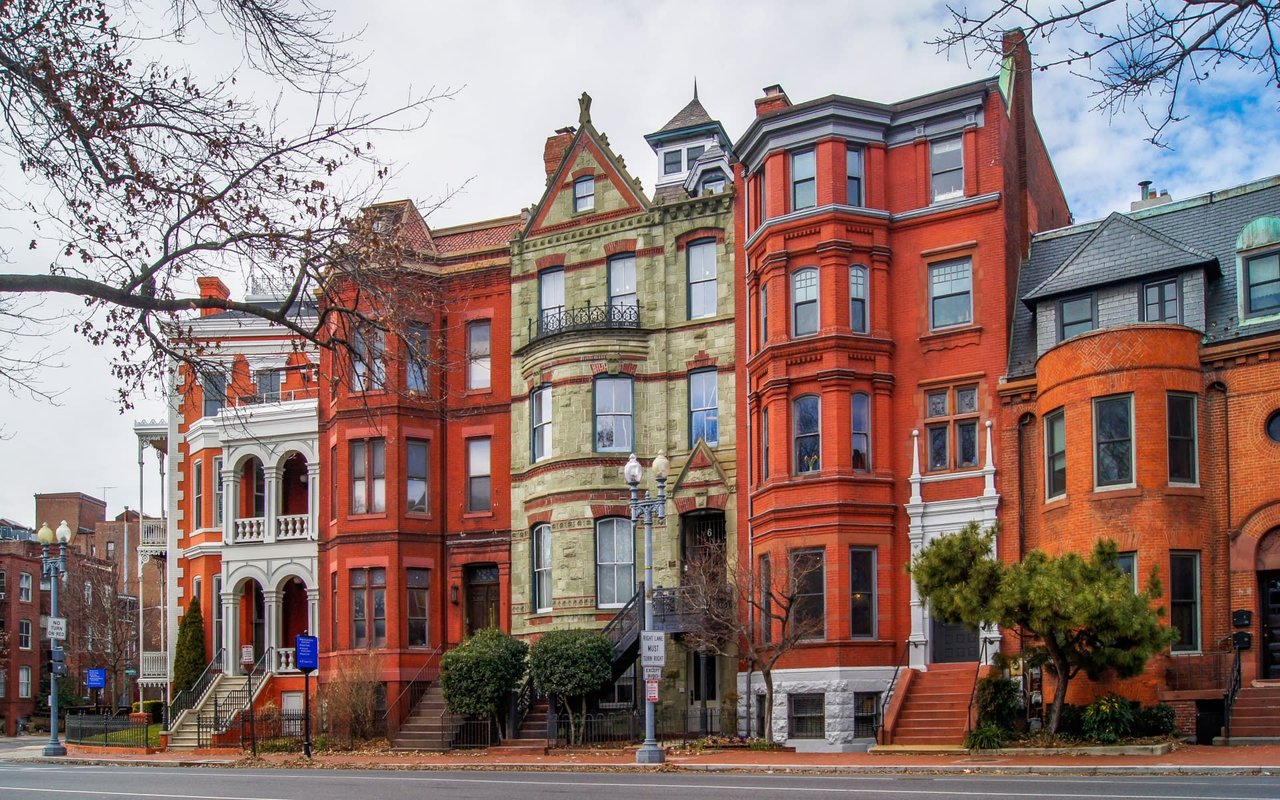
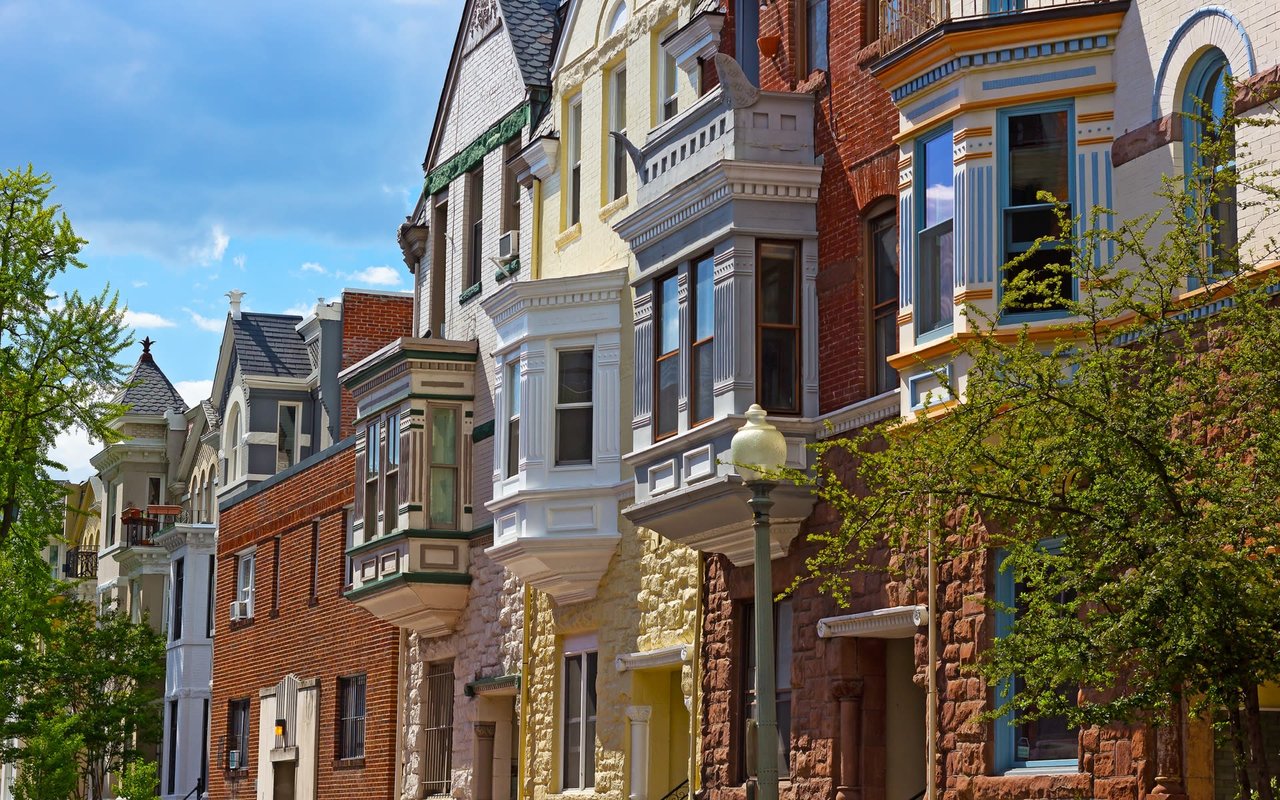
It is easy to assume Arlington is mostly towers and dense development, but that is not the full picture. Even in its more urban areas, the county describes a mix of housing types that includes single-family homes, condos, apartments, and townhouse communities.
Clarendon, for example, blends multiple housing formats with retail and office space. Shirlington mixes townhouse communities with high-rise apartments and neighborhood-serving amenities. Pentagon City also includes a variety of housing types.
So if you are looking at Arlington, it helps to think less in broad stereotypes and more in terms of neighborhood patterns. The county supports both high-density centers and lower-scale residential areas.
Parks and Trails Are Part of Daily Routine
Outdoor access is one of Arlington’s standout quality-of-life features. In 2024, Trust for Public Land’s ParkScore ranked Arlington’s park system in the top five nationally, and 99% of Arlington residents lived within a 10-minute walk of a park.
The county also reports more than 950 acres of county-owned parkland. Arlington’s Department of Parks and Recreation won the 2025 National Gold Medal Award for Excellence in Parks and Recreation Management, which adds more context to how seriously the county treats public spaces.
For day-to-day life, this means parks are not just occasional destinations. For many residents, they are woven into regular routines like morning walks, after-work runs, playground visits, dog walks, and weekend downtime.
How Much Outdoor Access Is There?
Arlington’s transportation snapshot lists 148 parks, 8 libraries, and 13 community centers. The county also reports nearly 49 miles of paved multi-use trails, with regional connections that include the W&OD Trail and the Mount Vernon Trail.
That kind of network supports a lifestyle where walking, biking, and outdoor recreation can be easy to fit into your week. If access to trails and green space matters to you, Arlington offers a strong everyday setup.
Dining and Social Life Happen in Neighborhood Centers
Arlington’s dining and social scene is not evenly spread across the county. Instead, it tends to cluster in neighborhood centers, which gives each area a somewhat distinct rhythm.
Clarendon is described by the county as a walkable area with bars, restaurants, shops, and public art. Columbia Pike includes a mix of housing, local shops, and culturally diverse restaurants. Crystal City has Restaurant Row and active nightlife.
Shirlington stands out as an arts-and-entertainment district with cafes, restaurants, shops, a cinema, a dog park, and a public library. Pentagon City is another major shopping and dining destination. If your ideal routine includes walking to dinner or meeting friends close to home, location within Arlington matters a lot.
What Everyday Life in Arlington Often Feels Like
For many residents, Arlington offers a blend that can be hard to find elsewhere. You get a compact county with strong transit, substantial employment, varied housing options, and unusually broad access to parks and trails.
The flip side is that Arlington is not one single lifestyle. Your experience can feel very different depending on whether you choose a Metro-adjacent urban village, a mixed-use neighborhood center, or a quieter residential pocket.
That is why a move to Arlington works best when you match the neighborhood to your real daily habits. Think about how you commute, how often you want to drive, what kind of housing you prefer, and whether you want your routine to center on transit, trails, restaurants, or a quieter street grid.
If you are considering Arlington and want help comparing neighborhoods, housing options, or how a move here fits your goals, Thomas Kolker offers a no-pressure, informed approach grounded in real local context.
FAQs
What is everyday life like in Arlington, VA?
- Everyday life in Arlington often centers on compact, connected neighborhood hubs with access to transit, parks, trails, dining, and a mix of housing types.
Can you live in Arlington, VA without a car?
- Often yes, especially near Metro-oriented areas, since Arlington has 11 Metrorail stations, 16 ART routes, extensive biking infrastructure, and 14% of households have no vehicle available.
Is Arlington, VA mostly high-rise living?
- No. Arlington has many multi-family homes, but the county also describes a mix of single-family homes, townhouses, condos, and apartments across different neighborhoods.
Which parts of Arlington, VA feel most urban?
- Rosslyn, Clarendon, Ballston, Pentagon City, and Crystal City tend to feel most urban because they combine offices, housing, retail, restaurants, and strong transit access.
Does Arlington, VA have good parks and trails?
- Yes. Arlington reports 148 parks, more than 950 acres of county-owned parkland, nearly 49 miles of paved multi-use trails, and 99% of residents live within a 10-minute walk of a park.
Is Arlington, VA a walkable place to live?
- In many neighborhoods, yes. Arlington’s planning model concentrates housing, jobs, recreation, and transit near one another, which supports walkability in many daily routines.